

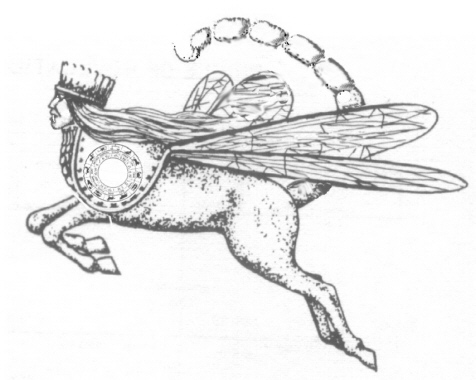
Throughout the rich tapestry of biblical literature, the locust emerges not only as a creature of the natural realm but also as a potent symbol steeped in meaning. This symbol intertwines themes of devastation, divine judgment, and renewal. In this examination of locusts in the Bible, we will traverse various contexts—exploring their role in scripture, the symbolic significance of their swarming behavior, and the lessons that emerge from their appearance in both the Old and New Testaments.
1. The Historical Context of Locusts
Locusts are grasshopper species known for their ability to swarm in immense numbers, causing agricultural destruction. In the agrarian societies depicted in biblical narratives, the arrival of a locust swarm could spell disaster. The Israelites, reliant on crops for sustenance, viewed locusts through a lens of dread. Historical accounts suggest these insects were commonplace in ancient Near Eastern civilizations. Consequently, their representation in scripture resonates deeply with a populace accustomed to the cyclical rhythms of nature and the perils those rhythms entailed.
2. Locusts in the Old Testament
The Old Testament features locusts prominently as symbols of God’s judgment. Notably, the Book of Exodus recounts the ten plagues inflicted upon Egypt, with locusts being the eight of those catastrophic calamities. This plague exemplifies the locust’s dual role as a vehicle of wrath and a means of demonstrating divine authority. When locusts descended upon Egypt, they obliterated what little remained of the nation’s harvest, mirroring the desolation of a life stripped of mercy.
Moreover, the prophetic literature considers locusts metaphorically. The prophet Joel, for instance, uses locusts to symbolize impending judgment on the people of Israel. The sound of the “locust swarm” becomes an ominous herald of desolation—picturing a nation facing the consequences of its collective transgressions. The imagery is vivid; the land becomes like a scorched earth, bearing stark testimony to divine retribution.
Within the narrative of Joel, we also discover the potential for restoration, as the prophet calls for repentance. This duality—the destruction wrought by locusts and the possibility for redemption—underscores the complex relationships between creator and creation, and humanity’s accountability for its actions.
3. The Symbolic Interpretation of Locust Swarms
The behavior of locusts—primarily their capacity to swarm in alarming numbers—serves as a metaphorical device throughout scripture. Swarming signifies chaos and overwhelming force. In a spiritual context, the swarming locust embodies sin and the pervasive nature of evil. Just as locusts can decimate crops, sin can consume the heart and soul of a nation, leading to spiritual barrenness.
In John the Baptist’s rugged call to repentance, the symbolism of locusts resurfaces, as he is often depicted wearing clothing made from camel’s hair and subsisting on locusts and wild honey. This image paints him as a prophetic figure who embraces a life of severity and asceticism against the backdrop of a decaying society. Furthermore, he challenges the complacency of the religious leaders of his time, urging them to confront the deeper issues plaguing their communities.
4. Locusts in the New Testament
While the New Testament does not dwell as heavily on locusts as the Old Testament, their mention contributes to a broader understanding of biblical prophecy and divine judgment. The Book of Revelation introduces locusts in a vision experienced by John of Patmos. Here, they are portrayed not in their typical biological role but rather as agents of divine chastisement during the apocalyptic narrative. The locusts are described as having strong power, akin to that of scorpions, challenging the reader’s perception of evil and judgment.
This apocalyptic imagery offers a vivid realization of the consequences of turning away from divine will. The swarming of locusts, coupled with the torment they inflict, serves as a stark reminder of the fragility of humanity in the face of divine wrath. Yet, in this description, there lies an invitation to contemplate redemption—a theme woven throughout the fabric of scripture
5. Contemporary Reflections and Lessons
In modern discourse, the locust serves as a metaphorical reminder of both environmental degradation and spiritual malaise. As ecological challenges emerge, the locust’s role in agricultural devastation looms ever larger, forcing humanity to confront its relationship with creation. This reality compels a reassessment of stewardship—an exploration of how actions today can yield consequences that echo into the future.
Furthermore, the lessons drawn from locust symbolism beckon individuals and communities to reflect on both personal and collective accountability. Just as ancient texts prescribed measures to avoid the wrath associated with locust swarms, contemporary society must engage in introspection regarding ethical practices, stewardship of natural resources, and inclusive community building.
In conclusion, the locust is far from a mere insect within the biblical narrative; it stands as a potent symbol of judgment, consequence, and redemption. From the devastating plagues of Egypt to the prophetic warnings of Joel and the apocalyptic visions in Revelation, locusts remind humanity of its vulnerabilities and responsibilities. As modern stewards of the Earth, the call remains clear: to learn from the past, engage with the present, and cultivate a future rooted in awareness, reverence, and hope.

