

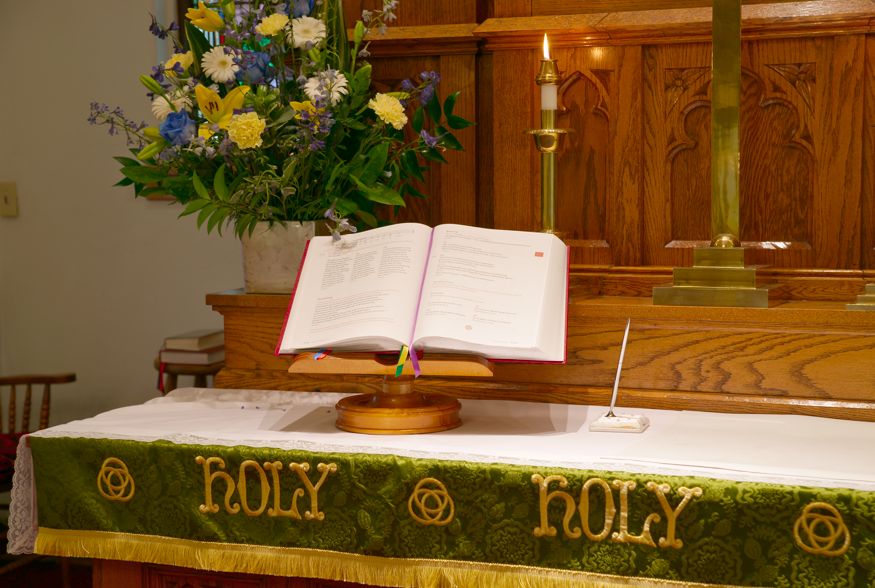
The concept of an altar in the Bible transcends mere physical structure; it epitomizes the profound connection between humanity and the divine. This sacred fixture appears throughout the scriptures, symbolizing worship, sacrifice, and communion with God. An examination of its biblical manifestations reveals a multilayered significance, prompting both reverence and intrigue.
At its essence, an altar serves as a designated sacred space where individuals bring offerings to God. The origins of this practice can be traced back to the very pages of Genesis, where figures like Noah and Abraham erected altars to express gratitude or seek divine favor. These early accounts unveil a common observation: an innate human desire to connect with something greater than oneself. Each altar from antiquity served not only as a site for sacrifice but also as a testimony to faith, embodying the belief that such acts could bridge the earthly and the celestial.
The biblical narrative demonstrates a progression in the conception of altars. The makeshift altars of early patriarchs eventually evolve into the elaborately constructed altars of the Mosaic covenant. Consider the altar of burnt offerings described in Exodus, which was not merely an altar but a detailed architectural mandate, underscoring the seriousness with which God desired worship. This transformation hints at deeper theological reflections: worship was not merely a ritualistic gesture but a heartfelt act of obedience and devotion, reflecting the relationship between God and His people.
Moreover, altars are laden with symbolic representations. The very act of sacrifice, for instance, signifies atonement and redemption. In the Old Testament, animals were often offered, their blood signifying the gravity of sin and the earnest desire for reconciliation. This sacrificial system introduces a notion that reverberates through scripture—a reminder of the cost of sin and the extreme measures often required for restoration. The fascination lies in understanding that these ancient acts foreshadow a more profound sacrifice, one encapsulated in the New Testament through Jesus Christ’s atoning death. Here, the altar’s significance metamorphoses from a physical construct to a spiritual reality, as Christ’s sacrifice renders the earthly altar obsolete in favor of a new covenant of grace.
Yet, the allure of the altar extends beyond physicality and sacrifice. It represents a place of intimacy—a sanctuary where prayers are uttered, confessions are laid bare, and spiritual battles are waged. Altars can be understood as transformative locales fostering individual and communal encounters with the divine. The construction of altars by the Israelites as they journeyed through the desert unveils an essential human truth: in moments of uncertainty or transition, when faced with trials and tribulations, there exists an urgent need for stability and divine affirmation.
Scripture emphasizes that altars are more than mere markers of religious practice; they are invitations to dialogue with God. The act of kneeling before an altar or laying one’s offerings can evoke profound vulnerability, yet it simultaneously embodies a posture of trust and hope. This duality enhances the magnetic pull of altars, as they beckon believers to step into an engaging relationship with their Creator.
Furthermore, the cultural resonance of altars remains significant even today. In contemporary religious contexts, altars serve to anchor worship services, guiding believers towards moments of reflection, commitment, and celebration. Their presence can evoke nostalgia and reverence, igniting a yearning for deeper spiritual experiences. This enduring relevance belies the altar’s evolutionary journey throughout biblical history, cementing its place as a focal point of faith that transcends time and tradition.
In conclusion, the altar in the Bible encapsulates a wealth of meanings, from sacrifice and communion to intimacy and transformation. It reflects humanity’s perennial quest for connection with the divine, underscoring the necessity of such sacred spaces. Whether through history, symbolism, or contemporary practice, the altar continues to captivate the imagination, beckoning believers into a transformative relationship with God.

