

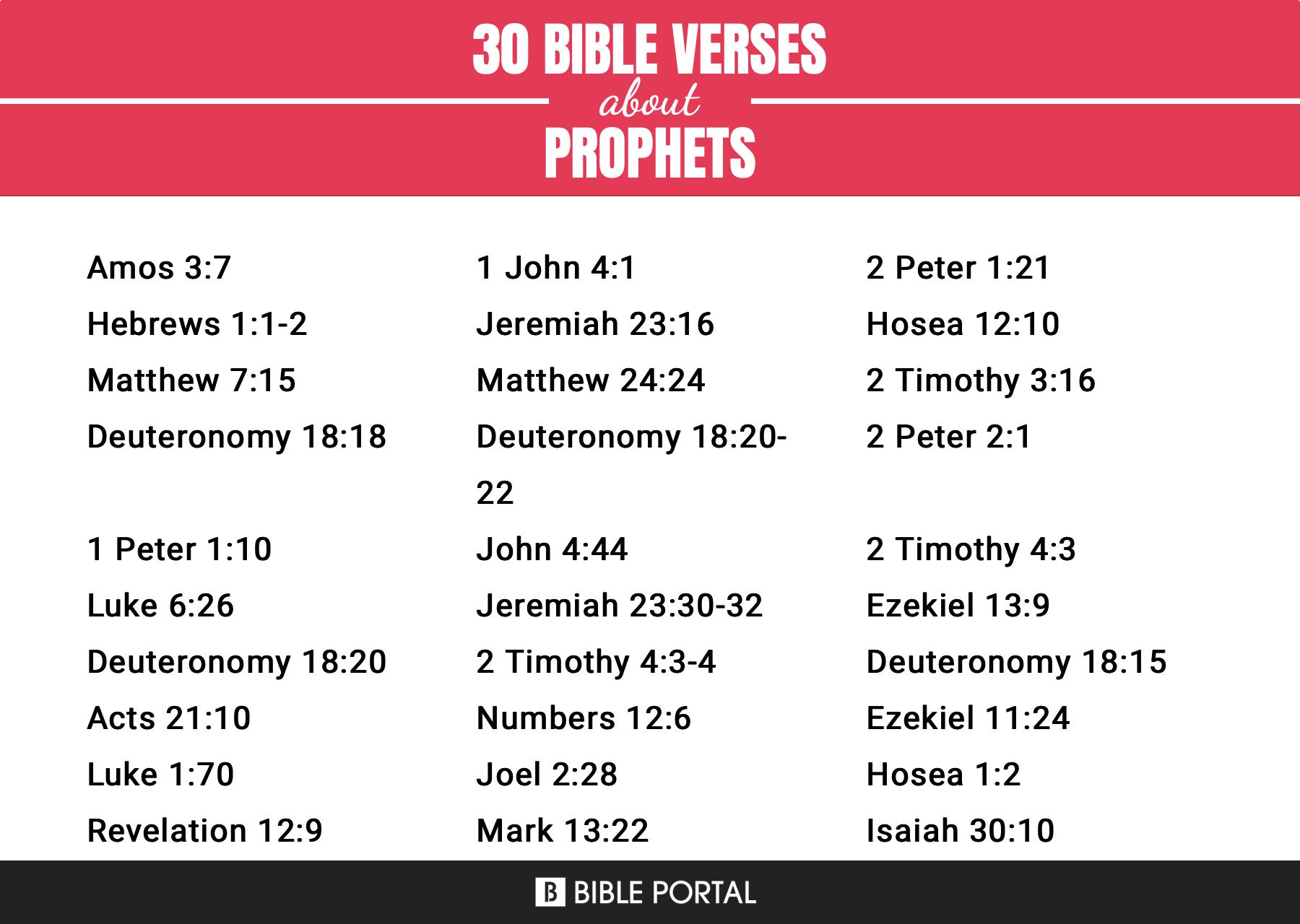
The concept of prophets permeates the fabric of biblical literature, illuminating the spiritual landscape with divine messages and guidance. Prophets are not mere historical figures; they embody the voice of God, serving as intermediaries between the divine and humanity. Their roles, characterized by various dimensions, impart invaluable insights into the nature of faith, morality, and divine intervention.
At the outset, it is crucial to delineate the different categories of prophets within the biblical canon. Major prophets, such as Isaiah, Jeremiah, and Ezekiel, have extensive writings attributed to them, often addressing the intricate socio-political realities of their time. Conversely, minor prophets, including Hosea, Amos, and Micah, may have shorter texts but deliver equally compelling messages. The distinction is not merely a matter of length; it underscores the breadth and depth of prophetic discourse.
One of the paramount themes that resonate throughout prophetic literature is the call to repentance. Prophets articulate a divine exigency for humanity to return to righteousness and to forsake iniquity. For instance, Jonah’s mission to Nineveh exemplifies this theme, as he implores a notoriously sinful city to repent and avert impending divine wrath. The urgency in the prophetic call often manifests in a fervent tone, compelling listeners to confront their moral shortcomings. A careful examination of such passages reveals a duality: the terrifying prospect of judgment juxtaposed with the overwhelming potential for forgiveness.
In addition to advocating for repentance, prophets also serve as social critics who challenge prevailing injustices. The prophetic voice significantly emphasizes the need for ethical behavior, advocating for the marginalized and denouncing oppression. Micah’s exhortation, “What does the Lord require of you? To act justly and to love mercy and to walk humbly with your God,” resonates as a timeless ethical benchmark. This call to social justice imbues the prophetic message with relevance, transcending historical contexts and speaking to contemporary issues of equity and compassion.
Moreover, foresight and prophecy (the foretelling of future events) feature prominently in the role of biblical prophets. While this aspect often captivates the imagination, it is paramount to understand that prophecies serve a larger, redemptive narrative. Many prophetic utterances concerning future events, particularly those found in the writings of Daniel and Revelation, contribute to a broader eschatological framework that highlights hope and restoration. These prophetic visions invite believers to contemplate the ultimate destiny ordained by God, which fosters a sense of expectation and resilience amid adversity.
The prophetic narrative is further enriched by its rich symbolism and vivid imagery. The prophets frequently employ metaphorical language, embedding their messages within complex allegories. For example, Ezekiel’s vision of the dry bones signifies the restoration of Israel, while Jeremiah’s potter metaphor underscores divine sovereignty and human agency. Such literary devices not only enhance the aesthetic quality of the texts but also deepen the theological implications, engaging readers in a multidimensional exploration of their faith.
Finally, it is essential to recognize the enduring legacy of the prophets. Their messages have profoundly influenced theological discourse, ethical frameworks, and spiritual practices throughout history. Modern-day prophetic voices, whether through spoken word, literature, or activism, continue to echo the timeless call for justice, mercy, and humility. In this light, the biblical prophets are not relegated to antiquity; they offer a paradigm for contemporary believers, inviting them to embody the essence of divine communication in a world desperately in need of guidance.
In conclusion, the biblical narrative on prophets provides a multi-faceted exploration of divine communication, ethical exhortation, and future hope. Through their words, prophets articulate a challenging yet profoundly transformative vision meant to inspire generations. Engaging with their messages fosters a deeper understanding of faith’s dynamic interplay with justice and mercy, calling individuals and communities alike to reflect on their own prophetic potential.

