

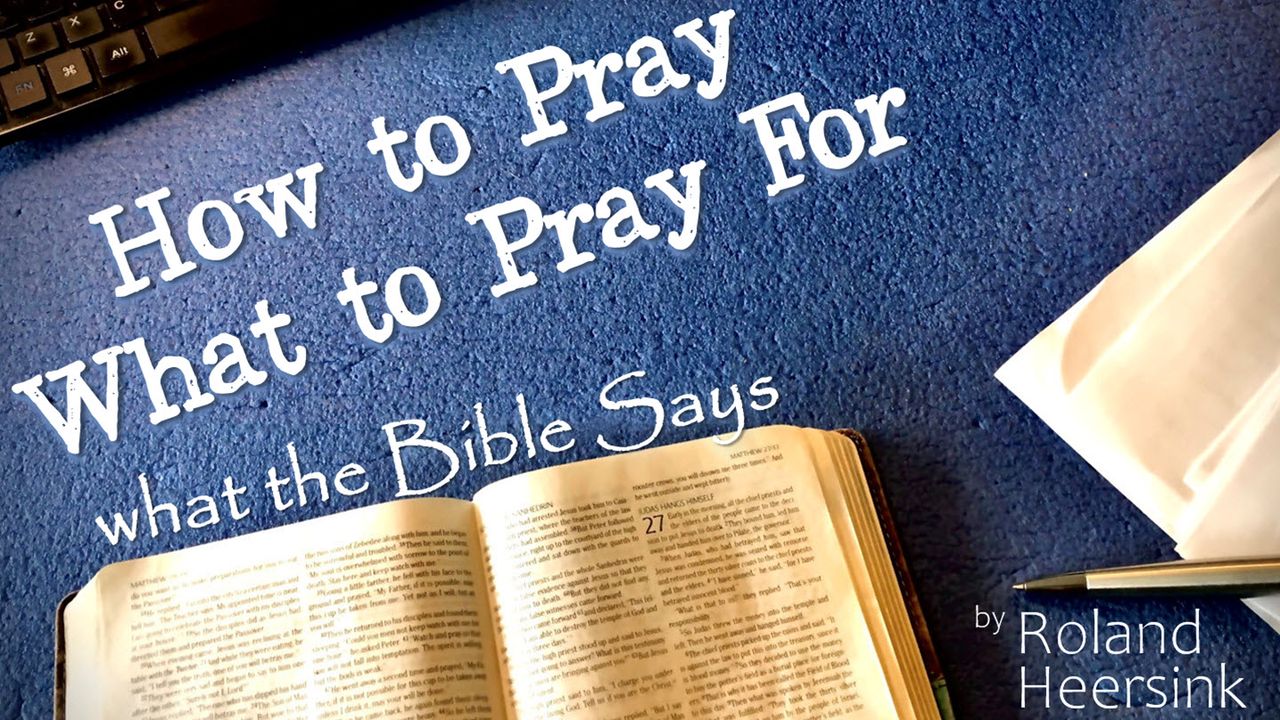
Prayer, like a gentle stream flowing through a verdant valley, weaves itself into the fabric of spiritual life, offering solace, guidance, and communion with the divine. The Bible presents a profound tapestry of teachings on prayer, urging believers to transcend mere ritual and cultivate a heartfelt dialogue with God. Within its sacred pages, one finds not only instructions but also the rich metaphors and the profundity of this intimate conversation.
At its essence, prayer is an expression of faith, an act of surrender akin to planting seeds in fertile soil. Jesus articulated this beautifully in the Gospel of Matthew, where he instructs his followers to approach the throne of grace with humility and sincerity. The Lord’s Prayer stands as a beacon, offering a template that encapsulates adoration, confession, thanksgiving, and supplication. Each element serves as a branch of a sprawling tree, branching out into the myriad of needs and praises that characterize human existence.
The Bible emphasizes the significance of posture in prayer—not only the physical but also the spiritual stance. Kneeling, raising hands, or simply bowing the head can evoke a sense of reverence. It mirrors the act of approaching a sovereign; one does not merely request an audience but submits to the authority of the King of Kings. Furthermore, the Book of Psalms resounds with fervent cries and melodic whispers, teaching that prayer can be joyful, lamenting, or contemplative—a reflection of the human experience.
One cannot underestimate the power of specificity in prayer. In the narrative of Hannah, the mother of Samuel, we witness a poignant expression of fervent desire—her pleas were not vague, but rather targeted and deeply personal. This specificity unveils a curious paradox; while God is all-knowing, the act of articulating one’s requests serves to deepen the relationship, much like a dancer communicating their needs through expressive movements rather than mere words. The intimacy of this exchange fosters connection and openness.
Moreover, consistency in prayer is heralded throughout the Scriptures. The parable of the persistent widow demonstrates the virtue of unwavering faith. Her relentless pursuit of justice, imbued with hope, illustrates that prayer is not merely a transactional endeavor; it is an ongoing relationship, akin to a river continuously seeking the ocean. The cadence of regular prayer cultivates a rich soil from which faith can flourish, and in this rhythmic dance, believers can find comfort and strength amidst life’s uncertainties.
Equally important is the attitude with which one approaches prayer. The Bible exhorts adherents to come with a heart free of bitterness and unforgiveness. In Matthew 5:23-24, the exhortation is clear: reconciliation with others precedes communion with God. This principle adds an additional layer to the fabric of prayer, transforming it into a pathway not just for personal requests but for fostering community and healing relationships.
Lastly, prayer encompasses gratitude, a theme echoed throughout the epistles. In Philippians 4:6-7, Paul encourages believers to present their requests with thanksgiving. This precept highlights an intriguing facet of prayer—gratitude serves as the lens through which we view our circumstances, reframing trials and tribulations as opportunities for growth and stronger faith. Like petals unfurling in the sunlight, gratitude has the power to transform prayer from a list of wants into an uplifting dialog that nurtures the soul.
In conclusion, the Bible’s teachings on prayer illuminate a path of deep connection and profound understanding. It beckons to all who wish to engage in a relationship characterized by authenticity, devotion, and a relentless pursuit of divine will. Embracing these principles can lead to a more enriching spiritual journey, one where prayer becomes a vital instrument in the symphony of life.

