

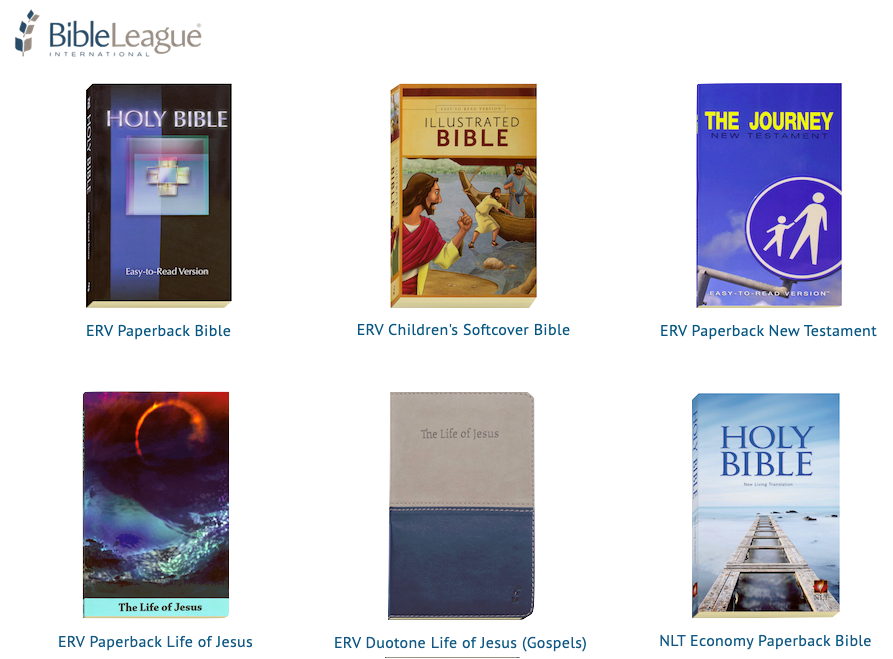
The Bible has long been revered as a sacred text, a literary jewel, and a cultural cornerstone. However, navigating its myriad translations can be a perplexing task for many readers. Each iteration seeks to encapsulate the essence of ancient scripture while catering to the contemporary comprehension needs of its audience. Among the labyrinth of translations, the Easy-to-Read Version (ERV) stands out as a formidable choice for those who prioritize clarity and accessibility.
The genesis of the Easy-to-Read Version lies in an earnest endeavor to make the scriptures more approachable. Intrigued by the language barriers that often encumber readers, translators sought to forge a text devoid of complex linguistics, dense theological jargon, and archaic idioms. The ERV accomplishes this through a meticulous selection of vocabulary that resonates with the modern reader’s intellect, yet retains the essential messages of the original manuscripts.
The allure of the ERV is further accentuated by its reader-friendly structure. This version utilizes shorter sentences and simplified grammatical constructions, allowing readers of varying ages and educational backgrounds to engage with the text without intimidation. This structural approach not only aids comprehension but also enhances retention, enabling readers to internalize its lessons more effectively.
Moreover, the inclusion of an understandable vernacular in the ERV nurtures a sense of inclusivity. It creates an inviting space for individuals who may feel alienated by more traditional translations that often operate within the confines of elevated language. In a world where literacy rates and educational standards diverge substantially, the ERV acts as a bridge, connecting diverse populations through a shared spiritual exploration.
However, it is not merely the linguistic choices that captivate readers. The ERV also aims to preserve the depth and richness of biblical narratives. While employing a straightforward approach, it does not dilute the profound theological concepts embedded within scripture. For instance, intricate parables and teachings are rendered in a way that retains their weighty significance without sacrificing accessibility. This delicate balance fosters both understanding and engagement, enticing readers to delve deeper into the text.
This version resonates particularly with those who might find themselves in transitional phases of faith. New believers, seekers, and even seasoned Christians seeking a fresh perspective often gravitate toward easy-to-understand translations. The ERV serves as an inviting foray into biblical literacy, kindling a desire for further study, reflection, and spiritual growth.
Another compelling aspect of the ERV is its application in educational environments. Schools and institutions promoting biblical literacy have integrated this version to facilitate discussions, lessons, and personal reflections. The ERV’s clarity allows teachers to introduce fundamental tenets of faith while engaging students in critical thinking. Moreover, its accessibility often ignites a passion for theology and promotes a lifelong journey of inquiry.
In conclusion, the Easy-to-Read Version of the Bible embodies a transformative approach to scriptural engagement. It addresses a common observation—that many struggle with archaic language—by offering a solution steeped in essence and accessibility. As readers embark on their spiritual quests, the ERV presents a familiar yet profound pathway, inviting all to unravel the intricate tapestry of faith woven within its pages. The enchantment lies not simply in the text itself but in the myriad lives it touches, fostering a collective exploration of humanity’s timeless inquiries about existence, purpose, and divinity.

