

Have you ever wondered who, in this fast-paced, digital age, still finds the time to roll up their sleeves and dive into the enriching world of church volunteering? It’s a question that tickles the mind like a secret ingredient in a well-kept recipe—essential, yet often overlooked. Volunteering at a church isn’t just about filling pews or organizing events; it’s about weaving a tapestry of community, faith, and shared purpose. But who, exactly, is stepping up to the plate? Let’s peel back the layers of this intriguing phenomenon and uncover the motivations, challenges, and unexpected rewards that come with giving back through a spiritual lens.
The Silent Architects: Who Volunteers at Church?
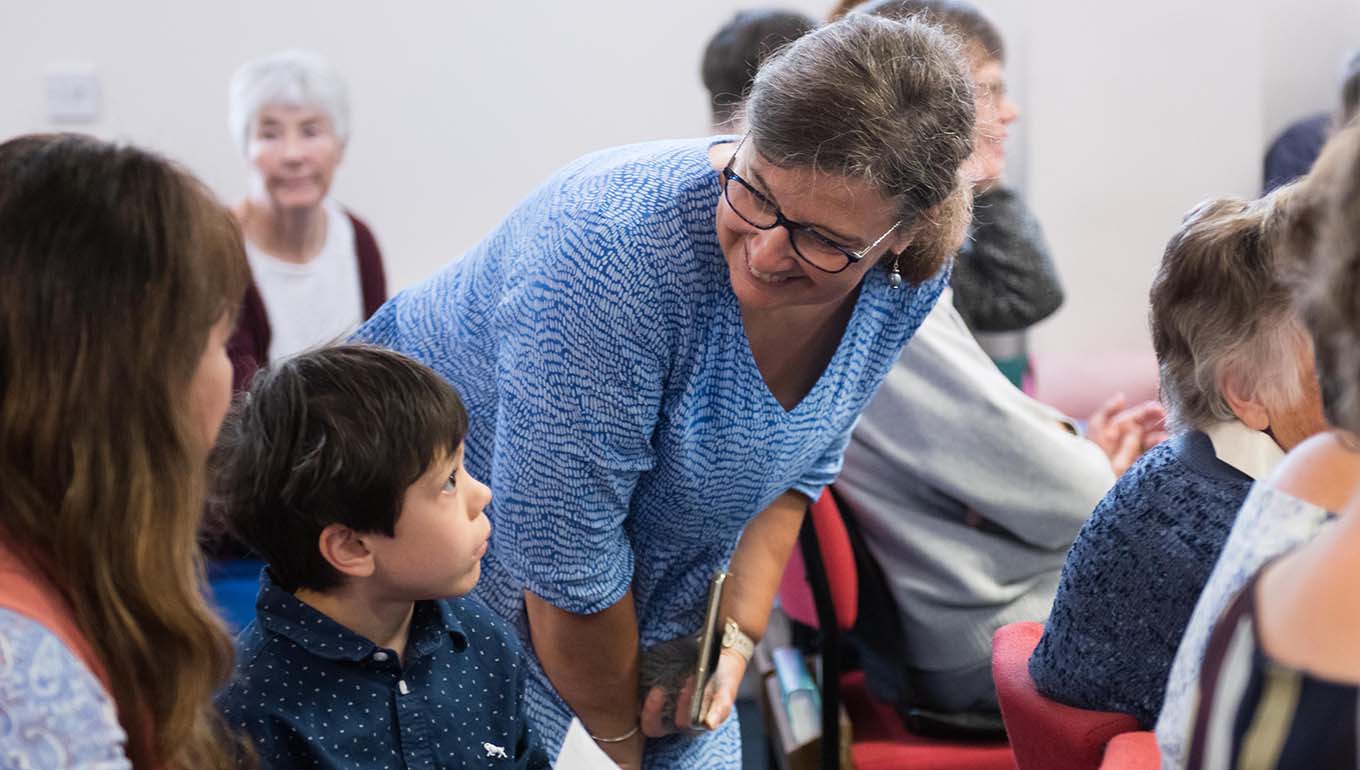
Volunteers at churches are a diverse mosaic of individuals, each with their own story and spark of inspiration. You’ll find retirees with decades of wisdom under their belts, young adults seeking purpose beyond their screens, busy parents carving out moments between soccer practice and school runs, and even teenagers testing the waters of responsibility. Some are lifelong members of the congregation, while others are newcomers drawn by a sense of belonging or a desire to contribute to something greater than themselves. What unites them is a shared belief in the power of collective action and the transformative impact of service.
The motivations are as varied as the volunteers themselves. For some, it’s a calling—a deep, internal tug to align their actions with their faith. For others, it’s the thrill of camaraderie, the joy of forming bonds with like-minded souls over shared tasks. There are those who volunteer out of gratitude, repaying the kindness they’ve received, and others who see it as a way to combat loneliness in an increasingly isolated world. Yet, despite these noble intentions, a subtle challenge lurks beneath the surface: the risk of burnout. When passion meets relentless commitment, even the most dedicated volunteers can find themselves stretched thin, questioning whether their efforts are sustainable or merely a fleeting burst of enthusiasm.
The Unseen Hurdles: What Keeps People from Volunteering?
While the desire to give back may be universal, the reality of volunteering is often fraught with unseen barriers. Time, that most precious of commodities, is a formidable foe. Between demanding careers, family obligations, and the relentless pace of modern life, carving out even an hour a week can feel like an impossible feat. Then there’s the issue of accessibility. Not everyone lives within arm’s reach of a church, and for those who do, transportation can be a logistical nightmare. What about those with disabilities or health concerns? Are churches equipped to welcome and accommodate them, or do they inadvertently become invisible in the volunteer landscape?
Another silent deterrent is the fear of inadequacy. Many potential volunteers hesitate to step forward, convinced they lack the skills or experience to make a meaningful contribution. They worry about showing up unprepared or, worse, disrupting the rhythm of established programs. And let’s not forget the elephant in the room: the perception of church volunteering as outdated or irrelevant. In a world where instant gratification is the norm, the slow, often thankless work of volunteering can feel out of sync with the times. How do we bridge this gap and reignite the spark of enthusiasm for service in a generation that thrives on immediacy?
The Ripple Effect: How Volunteering Transforms Communities
The impact of church volunteering extends far beyond the walls of the sanctuary. It’s a ripple effect that touches every corner of the community, creating waves of positive change. Food banks swell with donations, homeless shelters find temporary refuge for those in need, and youth programs offer safe havens for children to grow and learn. But the transformation isn’t just external—it’s deeply personal. Volunteers often report a profound sense of fulfillment, a renewed sense of purpose that spills over into their daily lives. They return home with stories to tell, friendships to nurture, and a deeper connection to their faith and community.
Consider the story of a single mother who, after volunteering at her church’s after-school program, found not only a support system for her child but also a lifeline for herself. Through the connections she made, she gained confidence, resources, and a renewed belief in her ability to create change. Or the retired teacher who, after decades in the classroom, discovered a second calling in mentoring at-risk youth, proving that volunteering isn’t just for the young or the restless—it’s for the wise and the willing. These are the unsung heroes whose quiet acts of service reshape lives in ways both grand and subtle.
The Church’s Role: Nurturing a Culture of Service
For churches, the challenge isn’t just to attract volunteers but to cultivate an environment where service feels inviting, rewarding, and sustainable. This begins with leadership that leads by example—pastors and elders who roll up their sleeves alongside the congregation, demonstrating that no task is beneath them. It means creating flexible opportunities that accommodate diverse schedules and abilities, from one-time events to long-term commitments. Transparency is key: volunteers should know exactly how their efforts make a difference, whether it’s through tangible outcomes like meals served or intangible ones like the laughter of children in a Sunday school class.
Communication is another vital tool. Churches must articulate the needs clearly and celebrate the contributions of volunteers, ensuring they feel seen and appreciated. This could be as simple as a shout-out during service or as elaborate as a volunteer appreciation dinner. But perhaps the most transformative step is fostering a culture of inclusivity. Every voice matters, whether it’s the shy teenager who helps set up chairs or the elderly parishioner who knits prayer shawls. When everyone feels valued, the spirit of volunteering flourishes.
The Future of Church Volunteering: A Call to Action
The landscape of church volunteering is evolving, and with it, the opportunities to engage. Technology offers new avenues for connection, from virtual prayer groups to online sign-ups for service projects. Social media can amplify the reach of volunteer initiatives, drawing in younger generations who might otherwise overlook traditional avenues of service. But technology is just one piece of the puzzle. The real challenge lies in reimagining what volunteering can look like in the 21st century—how it can adapt to the rhythms of modern life while staying true to its core purpose.
What if churches experimented with micro-volunteering, where tasks are broken down into bite-sized, manageable chunks? Or partnered with local businesses to offer volunteer time off, recognizing that service is as valuable as productivity? The possibilities are endless, but they require bold thinking and a willingness to step outside the comfort zone. The question isn’t whether people will volunteer—it’s whether churches will create the conditions for them to do so meaningfully and joyfully.
So, who’s getting involved? The answer is as multifaceted as the volunteers themselves. It’s the quiet doers, the passionate leaders, the reluctant newcomers, and the steadfast believers. It’s all of us, if we dare to answer the call. The challenge isn’t finding volunteers—it’s creating a world where volunteering feels as natural as breathing, where every act of service, no matter how small, is celebrated as a testament to the power of community and faith. The time to act is now. The church doors are open. Who will walk through them?

