

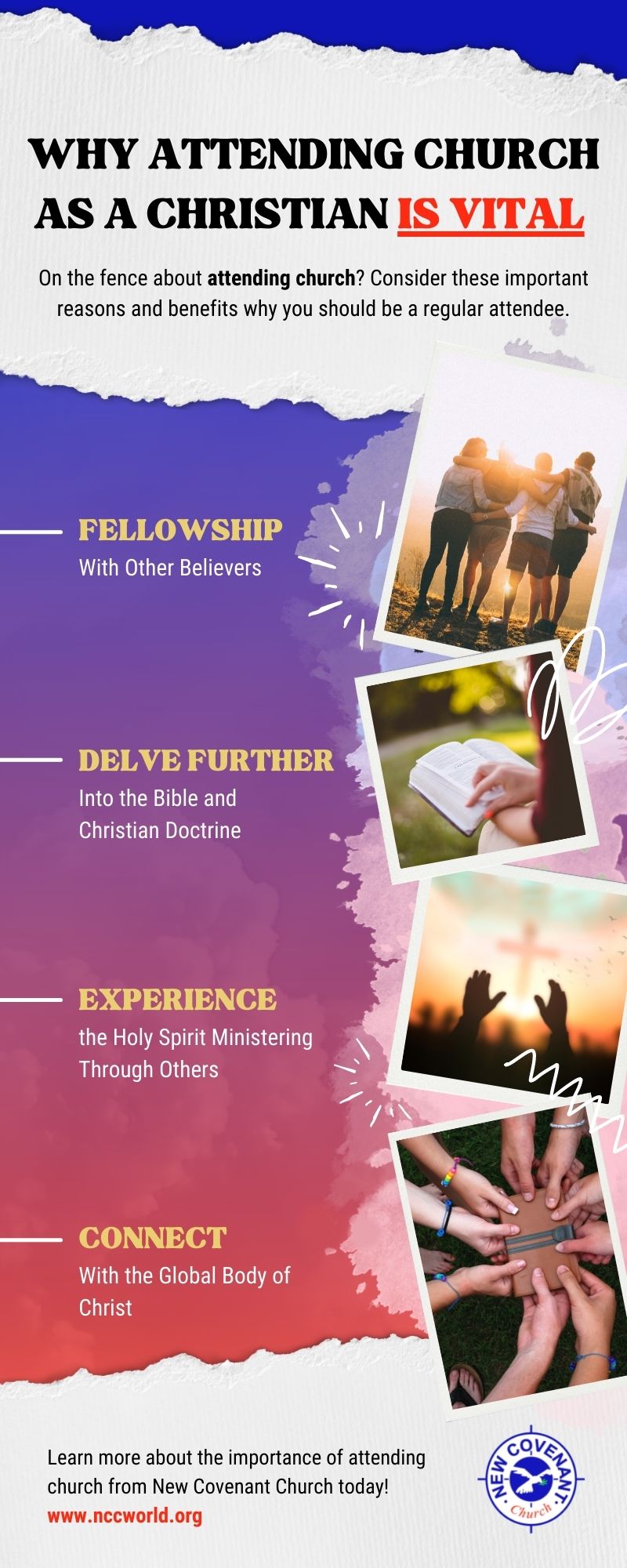
In a world that often feels fragmented, where digital interactions replace face-to-face connections and self-reliance trumps communal bonds, the church stands as a timeless sanctuary of unity, purpose, and divine encounter. For Christians, the church isn’t merely a building or a weekly obligation—it’s a living organism, a sacred assembly where faith is nurtured, identities are forged, and eternity intersects with the present. But why is church so vital? What makes this ancient institution indispensable in the life of a believer? Let’s explore the multifaceted significance of the church, from its spiritual depth to its practical impact, and discover why gathering with fellow believers is far more than a tradition—it’s a lifeline.
The Church as a Spiritual Lighthouse: Illuminating the Path of Faith
Imagine faith as a flame—flickering, fragile, and prone to dimming under the weight of doubt, distraction, or despair. The church acts as a spiritual lighthouse, casting a steady beam of truth, encouragement, and divine presence to guide believers through life’s stormy seas. Within its walls—or in virtual gatherings during seasons of separation—Christians encounter the unchanging Word of God, preached with clarity and conviction. Sermons aren’t just motivational speeches; they are divine echoes, resonating with the promises of Scripture and the transformative power of the Holy Spirit.
Beyond the pulpit, the church fosters an environment where questions are welcomed, doubts are addressed with grace, and the mysteries of faith are explored with intellectual rigor and pastoral sensitivity. It’s a place where the Holy Spirit moves not just in grand displays but in the quiet whispers of conviction, the gentle nudges of conviction, and the collective awe of worship. When life’s shadows grow long, the church reminds believers that they are never alone—God’s presence is tangibly felt in the midst of His people.
Fellowship: The Sacred Alchemy of Belonging
Human beings are wired for connection, yet modern society often leaves us feeling isolated, even in a crowd. The church dismantles this loneliness by offering something rare and sacred: koinonia—the Greek word for deep, spiritual fellowship. This isn’t mere socializing; it’s the alchemy of hearts united by a shared purpose, where burdens are shared, joys are multiplied, and lives are intertwined in the tapestry of God’s kingdom.
In small groups, Bible studies, or even chance encounters after service, believers find a safe space to be authentic. Here, masks are shed, and raw, unfiltered humanity meets the grace of Christ. The church becomes a hospital for the soul, where the broken are mended, the weary are strengthened, and the lost find their way home. This fellowship isn’t just about emotional support—it’s a foretaste of heaven, where every tribe, tongue, and nation gathers as one before the throne of God.
Worship: The Rhythm of Heaven on Earth
Worship in the church is far more than singing songs or reciting prayers—it’s a celestial symphony where heaven and earth collide. When believers lift their voices in adoration, whether in a grand cathedral or a humble living room, they participate in an eternal act of surrender. Music becomes a conduit for the Spirit’s presence, lyrics transform into prayers, and silence speaks volumes in the language of awe.
But worship isn’t confined to music. It’s in the act of tithing, where generosity becomes an act of worship. It’s in the sacraments—baptism and communion—where believers tangibly encounter the grace of Christ. It’s in the reverence of prayer, the study of Scripture, and the celebration of answered prayers. The church trains its members to worship not just on Sundays but in every moment, turning mundane routines into sacred offerings.
The Church as a Training Ground: Equipping for Kingdom Impact
A disciple isn’t born; they are forged in the fires of intentional discipleship. The church serves as a rigorous training ground where believers are equipped for their divine assignments. Through teaching, mentorship, and hands-on ministry, Christians grow in their understanding of Scripture, their gifts, and their calling. Sunday school isn’t just childcare—it’s a laboratory where young and old alike dissect the truths of the Bible, wrestling with its paradoxes and revelations.
Small groups and discipleship programs provide the soil for spiritual growth, where believers are challenged to step out of their comfort zones. Whether it’s serving in a food pantry, leading a Bible study, or sharing the gospel with a neighbor, the church mobilizes its members to live out their faith in tangible ways. This isn’t about earning God’s love—it’s about stewarding the love He’s already poured into their hearts. The church ensures that no believer remains a spiritual infant, but grows into maturity, ready to impact the world for Christ.
Accountability: The Mirror and the Mirror-Breaker
Accountability in the church is often misunderstood as judgment or control, but its true purpose is liberation. Within the safety of biblical community, believers find mirrors that reflect their blind spots and mirrors that shatter the illusions they’ve built around themselves. A trusted friend or mentor can speak hard truths in love, challenging patterns of sin, complacency, or self-deception. This isn’t about shame—it’s about sanctification.
In a culture that celebrates autonomy, the church reminds believers that true freedom is found in surrender—not to a system, but to the transformative power of the Holy Spirit. Accountability groups, confession, and pastoral care create an environment where growth is inevitable. Here, no one is left to navigate faith alone, and the chains of secrecy or shame are broken under the weight of grace.
Mission: The Church on the Move
The church isn’t a fortress; it’s a launchpad. From its earliest days, the church has been a movement, a force that transcends borders, cultures, and centuries. Whether through local outreach, global missions, or acts of mercy, the church embodies the Great Commission—taking the gospel to the ends of the earth while demonstrating Christ’s love through tangible deeds.
Food drives for the hungry, orphanages for the abandoned, hospitals for the sick—these are not ancillary programs but expressions of the church’s heartbeat. When believers gather, they are reminded that faith without works is dead. The church equips its members to be ambassadors of reconciliation, healing brokenness wherever they go. In a world marred by division, the church stands as a beacon of unity, proving that the gospel is not just a message but a movement that changes lives.
Eternity in View: The Church as a Preview of Heaven
Every Sunday gathering, every act of service, every moment of worship is a rehearsal for eternity. The church is a microcosm of heaven—a place where God’s will is done on earth as it is in heaven. In the midst of trials, the church offers a glimpse of the new creation, where every tear will be wiped away and every sorrow turned to joy.
When believers partake in communion, they taste the marriage supper of the Lamb. When they pray together, they experience the unity of the Trinity. When they serve side by side, they catch a fleeting vision of the body of Christ, complete and whole. The church isn’t just a stop on the journey to heaven—it’s a sacred foretaste of what’s to come, a family united across time and space, bound by the blood of the Lamb.

