

In the annals of history and theology, Palestine emerges as a geographical tapestry woven with threads of faith, conflict, and resilience. The very essence of this land reverberates through the pages of the Bible, where it is both a stage for divine narratives and a realm echoing the struggles of humanity. Yet, what does the Bible articulate about this crucible of spirituality and strife?
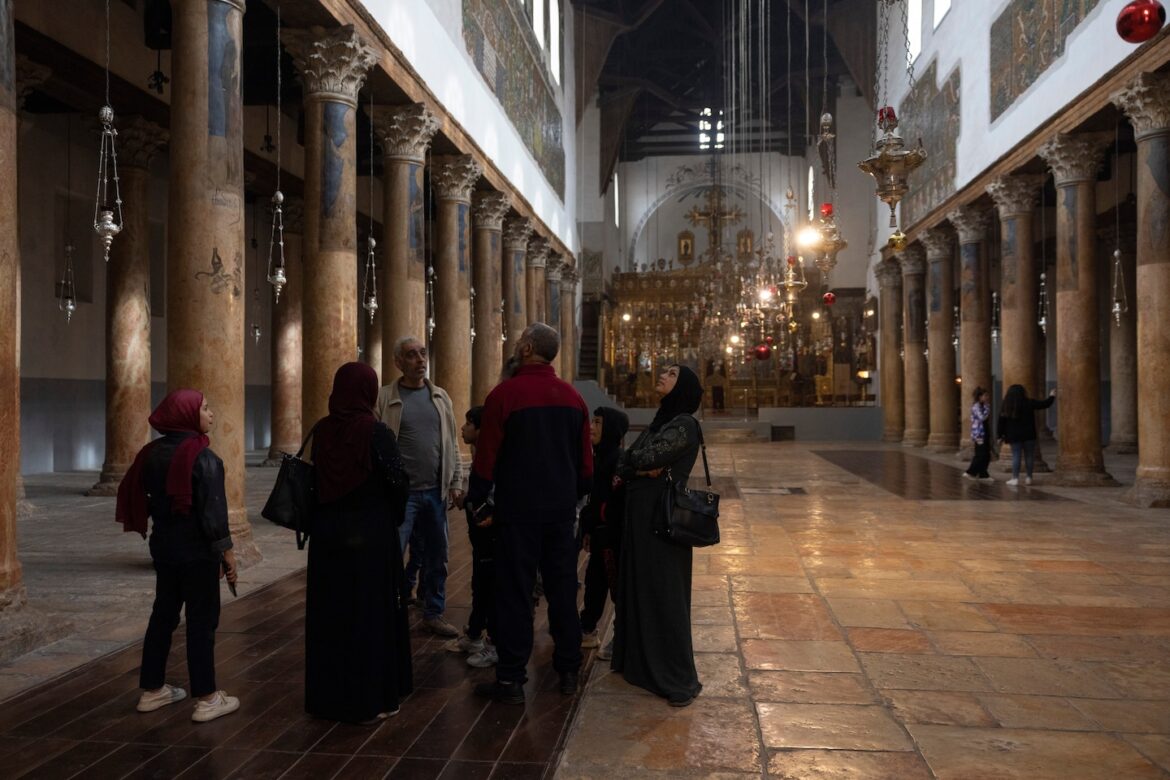
Palestine, often referred to in biblical terms as “the Holy Land,” serves as the backdrop for myriad significant events that shape the spiritual and cultural identities of millions. It resonates with the footsteps of ancient prophets, kings, and sages, who traversed its rugged terrains, each leaving indelible impressions on the collective psyche of faith. The names of places—Jerusalem, Bethlehem, Nazareth—evoke a sense of familiarity interlaced with reverence. Jerusalem, in particular, stands as the epicenter of spiritual significance; a city that has witnessed the convergence of prophetic declarations and royal decrees, marked by its storied past and enduring symbolisms.
Delving into the scriptures, one finds that Palestine is described not merely as a physical locale, but as a metaphorical landscape embodying both trials and triumphs. The narratives within the Bible reflect the duality of existence—flourishing faith juxtaposed with existential despair. The Old Testament, in its poetic cadences, frequently illuminates the land’s agricultural bounty in the promise of “a land flowing with milk and honey.” This metaphor captures the essence of divine providence, offering a vision of abundance amidst adversity.
Yet, such promises are not devoid of conflict. The biblical accounts of the Israelites’ exodus from Egypt to the Promised Land are steeped in struggles against oppression and longing for liberation. The arduous journey through desolate terrains symbolically mirrors the human quest for freedom. In the midst of adversity, faith is portrayed as an anchor—a steadfast belief that, even amidst trials, divine intervention can manifest. Such allegories resonate powerfully with the contemporary hopes and hardships faced by the peoples of Palestine today.
The New Testament shifts the focus toward a message of inclusivity and love, advocating for compassion transcending borders. Jesus’ ministry, rooted in the hills of Galilee and the streets of Jerusalem, urges the faithful to look beyond the confines of ethnicity and nationality. The Good Samaritan parable epitomizes love for one’s neighbor—an exhortation that is particularly poignant in the context of modern Palestine, where divisions often override common humanity. This radical inclusivity challenges the status quo, inviting individuals to build bridges rather than walls.
Furthermore, the prophetic literature throughout the Bible resonates with themes of justice and restoration. The cries for equity and the divine call for action against oppression echo through the ages, reminding believers of their moral obligations. Shalom, the Hebrew word for peace, encapsulates this divine vision, urging humanity not merely to cease conflict but to actively foster harmony. In this light, Palestine is not merely a historical or religious footnote but a living testament to the ongoing struggle for justice, stewardship, and reconciliation.
In conclusion, what the Bible articulates about Palestine is intricate and multilayered. It encapsulates promises and perils, faith and travail. It stands as a poignant reminder of humanity’s shared destiny—a collective narrative that beckons for understanding, compassion, and a renewed vision of hope amidst the currents of our contemporary world. Palestine, through the lens of scripture, invites reflection on the enduring themes of faith, justice, and the infinite quest for divine connection.

