

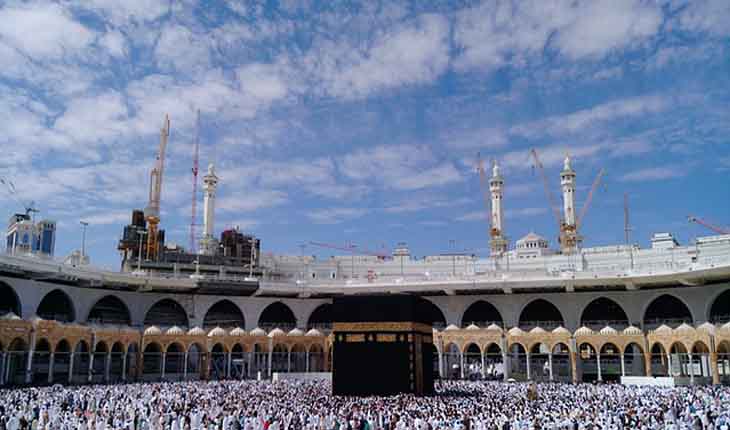
The intersection of faith and culture often elicits profound dialogues, and the question of what the Bible says about Muslims is particularly noteworthy. In a world knitted together by intricate threads of religious belief, the dynamics between Christianity and Islam stand out, revealing patterns of both tension and understanding.
To unravel this topic, it is critical to examine the foundational documents of Christianity—the Old and New Testaments. While the Bible does not explicitly mention Muslims or Islam, considering the historical context provides a canvas painted with broad strokes of intercultural encounters. The emergence of Islam in the 7th century occurred long after the biblical texts were penned, yet the ethical teachings that permeate both religious traditions invite comparison and introspection.
The concept of love in Christianity, particularly emphasized in the New Testament, serves as a cornerstone for evaluating the relationship between Christians and Muslims. Passages such as Matthew 22:39, which advocates for loving one’s neighbor, resonate with the Islamic principle of compassion. Notably, the Quran echoes similar sentiments, underscoring humanity’s shared moral fabric. Here, one might visualize a beautiful tapestry, where each thread, intricate in its own right, contributes to a larger design. This metaphorical fabric illustrates that, despite theological disparities, both faiths advocate for the fundamental dignity and respect of all individuals.
Additionally, biblical narratives reveal encounters with diverse cultures and peoples, fostering a spirit of dialogue. The parable of the Good Samaritan stands as a poignant illustration of cross-cultural empathy, transcending ethnic and religious boundaries. In similar fashion, the Islamic tradition emphasizes the importance of treating others with fairness and justice, which can be seen as a bridge fostering mutual respect between the two faiths. It beckons followers to traverse beyond the surface of difference to grasp the essence of shared humanity.
However, the dialogue between these two religions is not devoid of tension. Historical conflicts, particularly during the Crusades and in contemporary geopolitics, often overshadow their commonalities. Yet, this dissonance invites an introspective exploration of shared values. Both Christians and Muslims seek to cultivate peace, understanding, and mercy, suggesting that engaging in genuine dialogue might illuminate a path toward reconciliation.
The biblical exhortation to seek wisdom and understanding (Proverbs 4:7) can serve as a guiding principle for this exploration. Rather than allow fear or misunderstanding to define perceptions, engaging in dialogue rooted in empathy can foster a deeper understanding of the faith of others. The desire for knowledge—akin to a seeker of pearls—leads individuals to explore and appreciate the beauty embedded in the beliefs of others.
Furthermore, the role of prophecy within both traditions can act as a focal point for mutual interest. While Christians may view Jesus’ teachings as the culmination of divine revelation, many Muslims regard Him as a significant prophet. This recognition opens avenues for discussion that may enrich both faith communities. Imagining a vast library where texts from both traditions are preserved and revered allows us to ponder the wisdom that can be gained from studying these sacred writings side by side.
Ultimately, the Bible does not provide specific references to Muslims; rather, it offers an overarching philosophy of love, justice, and compassion that invites believers of different faiths to foster connections grounded in shared values. The spiritual journey calls for more than mere tolerance; it beckons for understanding, collaboration, and the celebration of diversity. Emerging from the shadows of historical animosities, individuals can forge relationships that embody the essence of both the Christian and Muslim ethos, creating a mosaic of interfaith harmony. In this intricate dance of belief, every step taken towards empathy is a step towards a brighter, more inclusive future.

