

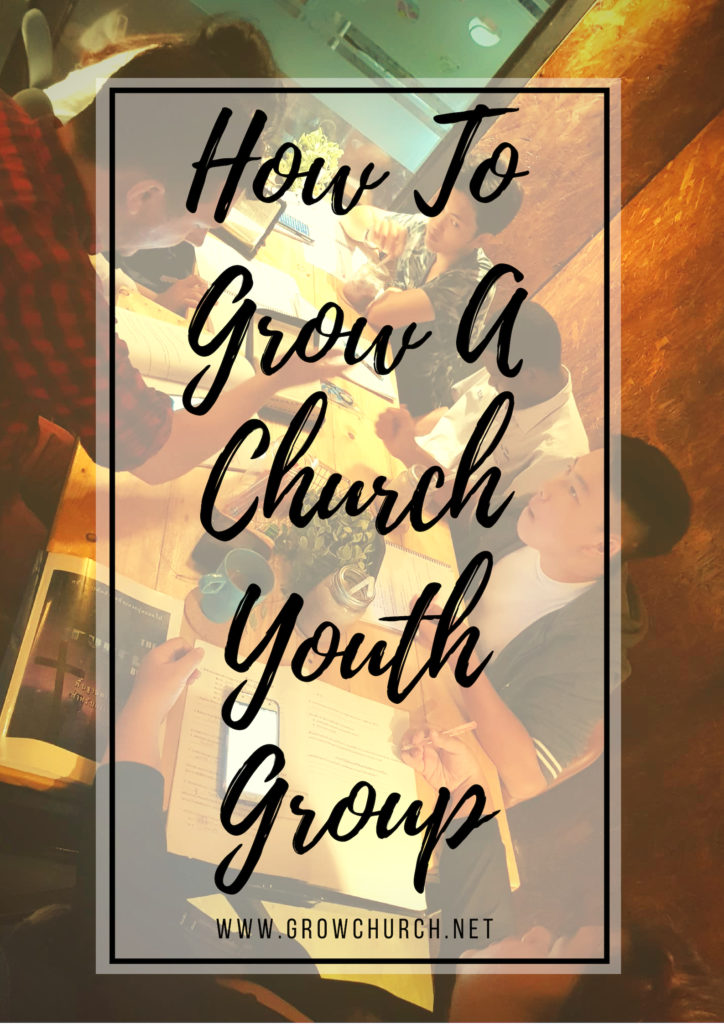
When a youth group suddenly feels like a half‑empty auditorium, the echo of whispered concerns reverberates through the church hallway. Pastors, volunteers, and parents alike watch as teenagers drift away after summer vacation, leaving behind a faint hum of nostalgia. This familiar plateau is more than a statistic; it is a call to examine the hidden currents shaping adolescent faith and belonging.
The Invisible Plateau: Recognizing the Common Observation
Leaders often notice a decline in attendance that seems to happen overnight. Schedules fill with school obligations, extracurricular pressures, and the relentless pull of social media, yet the underlying cause runs deeper than mere logistics. The symptom of empty pews signals a broader rupture in relational engagement and purpose. Recognizing this pattern early allows a community to shift from reactive patching to proactive cultivation, transforming a static group into a living organism that thrives on momentum.
Beneath the Surface: The Fascination That Fuels Youth Engagement
Adolescents are wired for discovery. Their fascination with identity, meaning, and transcendent experience drives them toward communities that promise authenticity and relevance. The yearning for belonging is not simply social; it is an existential quest where faith can become a narrative scaffold for self‑definition. When a youth ministry taps into this inner hunger, it creates an environment where biblical truth meets lived experience, sparking a magnetic attraction that transcends programmatic appeal.
Charting a Course: Vision, Mission, and Narrative Alignment
A compelling vision acts as a beacon. It should articulate a clear purpose that speaks to both the heart and the mind, weaving together theological conviction with cultural resonance. By framing the ministry’s mission as a story of redemption and hope, leaders invite teenagers to see themselves as protagonists in a larger drama. Short, punchy statements like “become disciples who transform their world” can coexist with longer narrative arcs that explain the why behind every activity.
Architecting Belonging: Relational Fabric of Community
Community is built on intentional connections, not accidental proximity. Small groups function as interstitial cells, each a micro‑cosm where trust can germinate. Pairing a peer facilitator with a mature mentor creates a dyad of accountability and encouragement. Regular gatherings—coffee nights, game evenings, prayer walks—should be calibrated to foster genuine conversation. When a teenager feels known beyond the surface, attrition rates diminish and commitment deepens.
Empowering Voices: Peer Leadership and Mentorship Ecosystems
Youth are not passive recipients; they crave agency. Identifying emerging leaders within the group and providing structured training equips them to steward ministries with confidence. Workshops on communication, conflict resolution, and biblical exposition transform novices into catalysts. Mentors, meanwhile, model a lived faith that offers a roadmap for navigating uncertainty. The symbiosis of peer enthusiasm and adult wisdom produces a resilient ecosystem where responsibilities are shared and ownership is palpable.
Lithurgical Imagination: Dynamic Programming That Resonates
Programming must be both doctrinally sound and experientially vibrant. Incorporating elements of creative worship, interactive Bible studies, and service‑oriented projects satisfies the desire for multisensory engagement. Seasonal retreats that blend silence, storytelling, and celebration can reawaken spiritual curiosity. Using contemporary language alongside timelessScripture creates a bridge that respects tradition while speaking the vernacular of a digital generation.

