

Embarking on a church discipleship campaign is like planting a garden in the fertile soil of faith—it requires vision, preparation, and nurturing to flourish. A well-crafted discipleship plan isn’t just a schedule; it’s a transformative journey that equips believers to grow deeper in their relationship with Christ while igniting a ripple effect of spiritual multiplication. Whether your congregation is a tight-knit community or a sprawling network of seekers, the key lies in crafting a campaign that resonates with diverse spiritual appetites and life stages. From the pulpit to the pew, every element should be meticulously designed to foster connection, challenge growth, and sustain momentum. Let’s explore how to architect a discipleship campaign that doesn’t just inform minds but ignites hearts.
The Foundation: Clarifying Your Vision and Goals
Before drafting a single lesson or scheduling an event, pause to ask: What does success look like in one year? Five years? Discipleship isn’t measured by attendance numbers but by transformed lives—believers who radiate Christ’s love, serve sacrificially, and reproduce their faith in others. Begin by defining your campaign’s core objectives. Are you aiming to deepen biblical literacy, cultivate missional living, or perhaps revitalize a stagnant spiritual culture? Clarity here acts as a compass, guiding every subsequent decision from curriculum selection to volunteer recruitment. Consider conducting a congregational audit to identify spiritual gaps—perhaps young adults crave mentorship, while seniors seek deeper theological roots. A vision grounded in both Scripture and community needs becomes the bedrock upon which all other elements are built.
Mapping the Journey: Designing a Multi-Phase Campaign
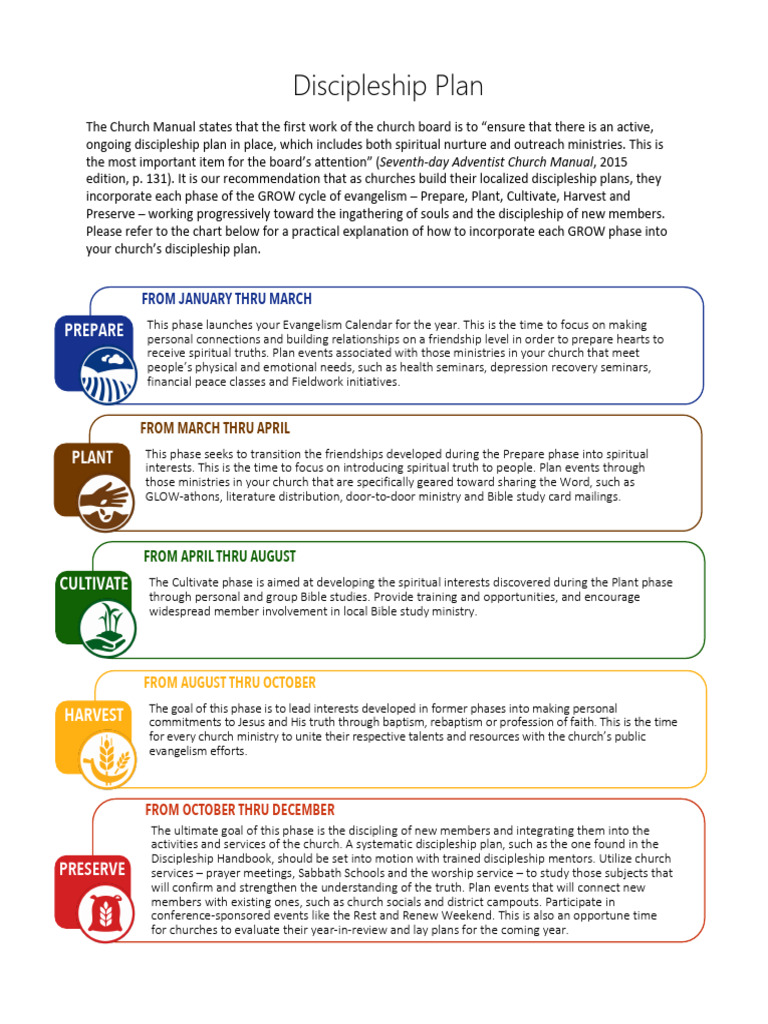
A discipleship campaign thrives when it’s not a one-off event but a carefully orchestrated odyssey. Break the journey into distinct phases, each with its own rhythm and purpose. Phase one might focus on awakening—sparking curiosity through compelling storytelling or testimonies. Phase two could shift to equipping, offering structured discipleship groups where participants grapple with Scripture alongside seasoned mentors. The final phase often culminates in multiplying, where equipped believers step into leadership or mentorship roles, ensuring the cycle continues. Think of it like a river: the headwaters (awakening) feed into tributaries (equipping), which eventually merge into a mighty current (multiplying). Each phase should build on the last, creating a seamless flow that prevents spiritual stagnation.
Curriculum Crafting: Tailoring Content to Diverse Learners
Not all disciples digest truth the same way. A millennial might thrive on interactive discussions, while a retiree prefers in-depth study guides. Curate a curriculum that speaks to multiple learning styles—visual, auditory, kinesthetic—while maintaining theological depth. Consider blending traditional expository teaching with creative formats: video series, podcasts, or even gamified challenges where participants track spiritual growth milestones. For example, a Scripture scavenger hunt could engage younger audiences, while a lectio divina (sacred reading) guide might resonate with contemplative learners. Don’t shy away from addressing contemporary issues—how does faith intersect with technology, mental health, or social justice? Authentic discipleship meets people where they are, not where they “should” be.
Engagement Strategies: Beyond the Pulpit
Discipleship isn’t confined to Sunday mornings. To foster organic growth, weave spiritual disciplines into daily life. Launch a prayer chain challenge where small groups commit to praying for one another throughout the week. Introduce a faith journaling initiative, providing prompts that guide reflection on Scripture and personal application. For the tech-savvy, consider a discipleship app with daily devotionals, accountability check-ins, and even virtual small-group meetups. Remember, engagement thrives on consistency and community. A monthly “faith story” night, where attendees share how God is working in their lives, can break down walls and build bridges between generations. The goal? To make discipleship feel less like a program and more like a lifestyle.
Leadership Development: Raising Up the Next Generation
A campaign’s longevity hinges on its leaders. Invest time in identifying and equipping potential disciple-makers—those who exhibit humility, teachability, and a passion for God’s Word. Host leadership training sessions focused not just on theology but on relational skills: active listening, conflict resolution, and how to ask open-ended questions. Consider pairing emerging leaders with seasoned mentors for a season of apprenticeship. For those hesitant to step into leadership, create low-commitment roles—like facilitating a prayer group or leading a book discussion—to help them grow into their calling. The adage holds true: “You can’t give what you don’t have.” Equip your leaders first, and they’ll, in turn, pour into others.
Technology and Tools: Leveraging Digital Platforms
In an era where screens dominate attention spans, digital tools can amplify your campaign’s reach. A dedicated campaign website serves as a hub for resources, schedules, and interactive elements like discussion forums or live Q&A sessions. Social media can become a mission field—share bite-sized devotional videos, behind-the-scenes glimpses of discipleship groups, or even host a live worship night on Instagram. For those without reliable internet access, consider SMS-based devotionals or printed take-home guides. The key is to meet people where they are, whether that’s on a smartphone or in a printed booklet. Technology, when used thoughtfully, can bridge gaps and extend the campaign’s impact far beyond the church walls.
Measuring Impact: The Art of Spiritual Metrics
How do you quantify a heart transformed by grace? While attendance and participation numbers offer surface-level insights, true discipleship metrics delve deeper. Track qualitative growth through surveys or personal testimonies—how have participants’ prayer lives changed? Are they serving more intentionally in their communities? Implement a spiritual growth inventory at the campaign’s start and conclusion, asking questions like, “How often do you share your faith with others?” or “In what ways have you grown in your understanding of Scripture?” Celebrate milestones, no matter how small—perhaps a participant who read the Bible cover-to-cover for the first time or a skeptic who surrendered to Christ. Remember, the goal isn’t perfection but progress, and every step forward is worth celebrating.
Sustaining Momentum: From Campaign to Culture
A campaign’s conclusion shouldn’t mark the end but the beginning of a new rhythm. Transition from a high-energy sprint to a sustainable marathon by embedding discipleship into the church’s DNA. Launch ongoing small groups with rotating topics, ensuring fresh content while maintaining continuity. Host quarterly “revival nights” where the congregation recommits to spiritual disciplines. For leaders, establish a discipleship council to oversee the campaign’s legacy, ensuring it doesn’t fade into obscurity. The most effective campaigns aren’t one-time events but catalysts that spark a cultural shift—where discipleship becomes as natural as breathing, woven into the fabric of everyday life.

