

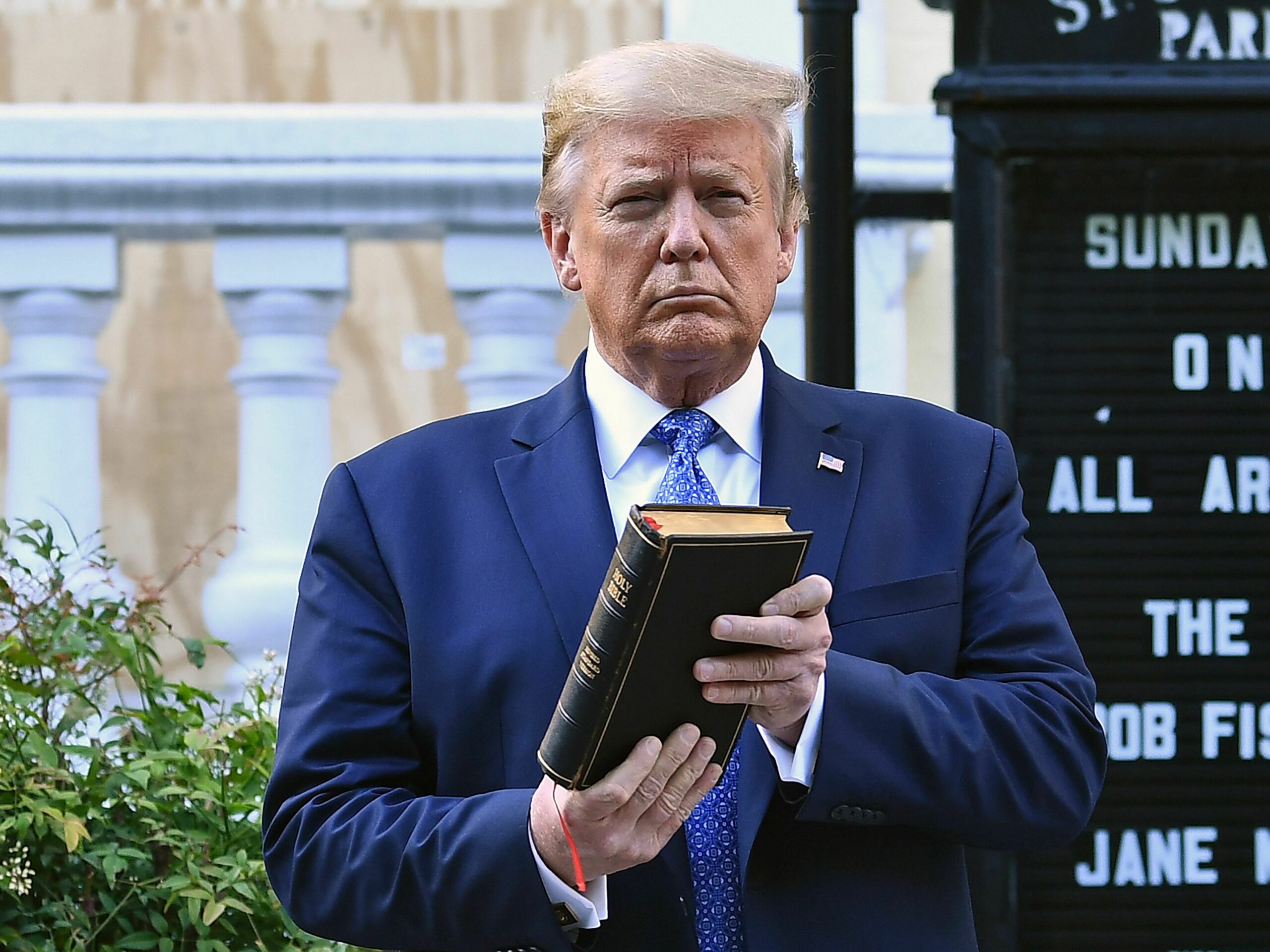
The relationship between biblical scripture and the role of the president is a subject of profound significance and complex interpretation. As the leader of a nation, the president serves not only as a political figure but also as a moral compass for many citizens. This article endeavors to explore the biblical perspectives that can provide insight into the responsibilities, virtues, and challenges faced by the last president.
First and foremost, the Bible accentuates the gravity of leadership. In Romans 13:1-2, it is poignantly stated that “every person is to be in subjection to the governing authorities.” This scriptural premise lays the foundation for understanding the president’s duty to uphold justice and serve the populace with integrity. It raises questions about the ethical conduct expected of leaders, urging them to govern in alignment with divine principles, which serve the greater good of society.
Biblical teachings offer a wealth of attributes that are essential for effective leadership. Proverbs 11:14 underscores the necessity of counsel and wise decision-making: “Where there is no guidance, a people falls, but in an abundance of counselors there is safety.” This principle reflects the importance of surrounding oneself with wise advisors. It illustrates that a president should not only rely on personal judgement but also engage with diverse perspectives, fostering collaboration to make informed choices.
Moreover, humility is a recurring theme in scripture, echoed in Philippians 2:3. The verse admonishes leaders to regard others as more significant than themselves. This concept poses an interesting challenge for any president who may grapple with the temptation of arrogance. By embracing humility, leaders cultivate an environment of trust and respect, ensuring that their policies are inclusive and representative of their constituents’ needs.
In the context of moral integrity, the Bible warns against corruption and deceit. Micah 6:8 articulates a poignant message: “He has shown you, O mortal, what is good. And what does the Lord require of you? To act justly and to love mercy and to walk humbly with your God.” For the last president, these lines serve as a reminder of the imperative to uphold justice, ensure transparency, and act with compassion, particularly in a climate rife with division and polarization.
Additionally, the Biblical narrative underscores the weight of responsibility shouldered by leaders. The principle of stewardship found throughout the Bible, particularly in Luke 12:48, captures the essence of accountability. “To whom much is given, much will be required.” This wisdom imparts a sense of urgency for presidents to manage resources judiciously, take care of the welfare of the citizenry, and make decisions that resonate beyond their term in office.
Furthermore, the Book of Exodus offers profound insight by presenting leadership that is intimately connected with social justice. It emphasizes the importance of advocating for the marginalized and oppressed, a task that every president must navigate carefully. The constant reminder to “remember that you were once slaves” prompts leaders to align policies with a compassionate and equitable vision. In the pursuit of justice for all, a president finds alignment with Biblical mandates, whether through healthcare reform, economic policies, or civil rights legislation.
In conclusion, the exploration of what the Bible says about the role of the president unveils an intricate tapestry of leadership principles grounded in spiritual wisdom. While political landscapes may shift, the timeless lessons of integrity, humility, justice, and service continue to resonate. For the last president, embracing these values may not merely serve as a directive but as a guiding light in navigating the turbulent waters of governance. In examining such ideals, both leaders and citizens alike can aspire to cultivate a society that thrives on unity, understanding, and a collective commitment to improve the human condition in alignment with divine precepts.

