

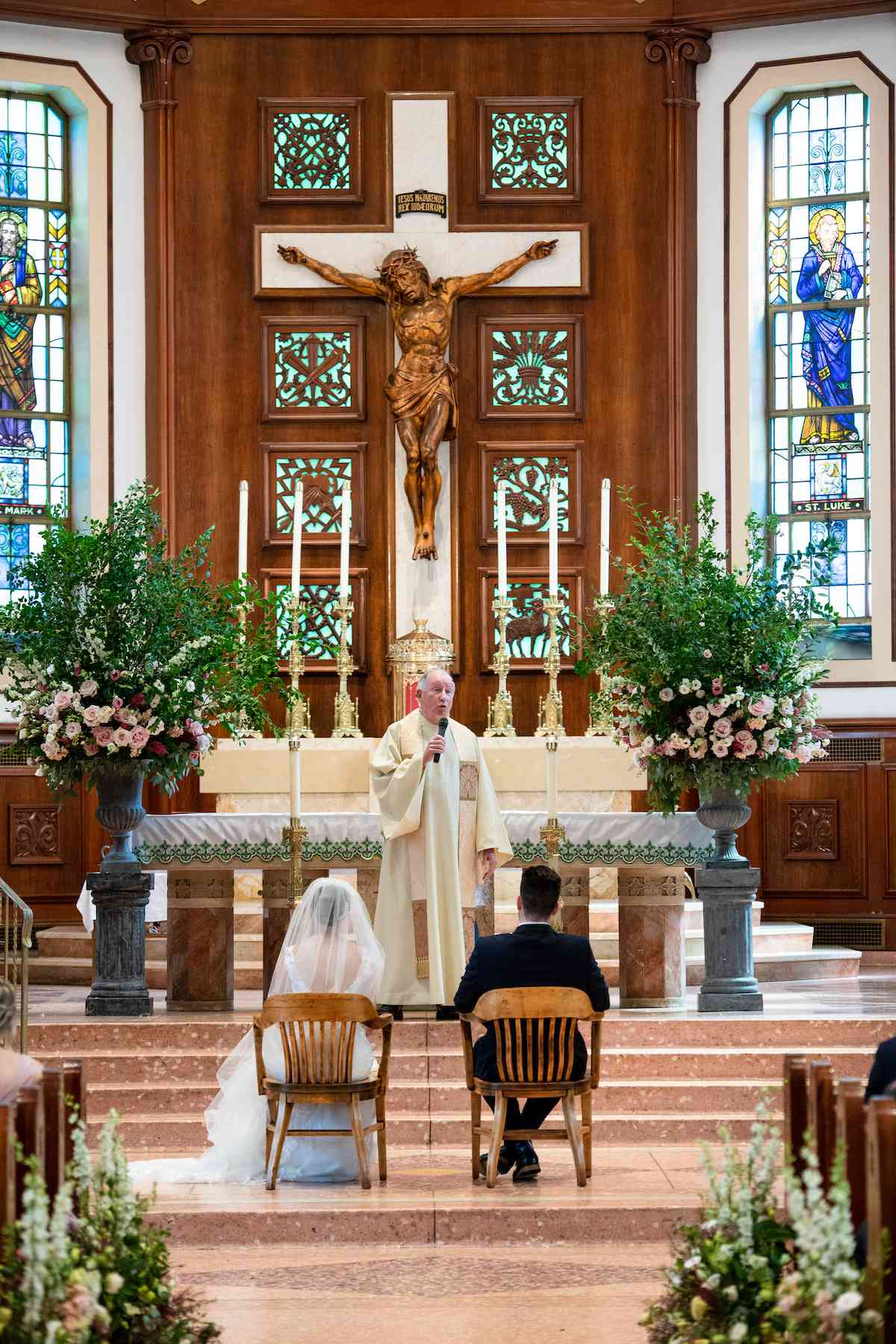
When two souls decide to intertwine their destinies within the hallowed walls of a church, they step onto a stage that is both timeless and profoundly personal. A church wedding ceremony is far more than a legal handshake; it is a sacramental covenant that invites the divine into the very fibers of a couple’s shared story. For many, it is a chance to pause, breathe, and ask: “What deeper promises can we make when the universe itself bears witness?” This article will guide you through the age‑old traditions, the subtle shifts in perspective, and practical tips that can transform a conventional rite into an unforgettable, soul‑stirring celebration.
The Sacred Covenant: Rethinking Matrimony as a Spiritual Alliance
In the Western liturgical tradition, marriage is not merely a contract; it is a covenant—an irrevocable pact sealed by God and the community. The ceremony invites the couple to embody the “conjugal covenant,” a partnership that mirrors Christ’s love for the Church. Viewing matrimony through this sacramental lens reframes the vows from simple promises into a mutual indwelling of pneuma, or life‑breath. Couples often find that this perspective shift encourages humility, patience, and a deeper sense of accountability to one another and to the divine. When the ring is slipped onto the finger, it becomes a physical emblem of an unseen spiritual bond, a reminder that love is both given and received in a sacred exchange.
Liturgical Choreography: The Flow of a Traditional Church Wedding
A church wedding follows a structured yet fluid choreography known as the nuptial liturgical sequence. The procession begins with the sound of an organ prelude, guiding the bridal party through the nave—a symbolic journey from the world into a sanctified space. The service typically opens with a greeting, followed by a brief scripture reading that reflects the day’s theme. The exchange of vows, considered the climax, follows a prayer of invocation (or epiclesis), asking the Holy Spirit to bless the union. After the exchange of rings, a unity candle or sand ceremony may be performed, illustrating the inseparability of the two lives. The rite concludes with a benediction, a final prayer that sends the newlyweds forth with divine favor.
Time‑Honored Traditions: Symbols That Whisper Stories
Throughout centuries, churches have woven a tapestry of symbols that enrich the ceremony. The veil, once thought to shield the bride from malevolent spirits, now serves as a visual metaphor for purity and submission to a higher purpose. “Something old, something new, something borrowed, something blue” remains a popular folk rhyme, each item representing continuity, optimism, borrowed happiness, and fidelity. Some cultures introduce a “bride’s price” or a ceremonial exchange of coins, underscoring mutual responsibility. In many denominations, the wedding program is placed on the altar, a subtle nod to the idea that the couple’s life together will be anchored in the church’s mission.
Vestments and Attire: Clothing as Consecration
Attire within a church wedding is not merely aesthetic; it is a form of consecration. The officiant often dons a stole embroidered with a cross, a reminder that the ceremony is an extension of the clergy’s ministry. Brides may choose a gown that respects the church’s modesty guidelines—perhaps a high‑neckline or lace sleeves—while still expressing personal style. Grooms typically wear a suit or tuxedo that aligns with the solemnity of the space, sometimes opting for a boutonniere that mirrors the floral motif used in the sanctuary. The coordinated ensemble creates a visual harmony that echoes the unity being proclaimed.
Music and Symbolism: Soundscapes that Elevate the Soul
Music in a church wedding functions as a conduit for emotion and reverence. From the triumphant sound of a brass ensemble during the recession to the intimate lullaby of a solo hymn during the lighting of the unity candle, each note is chosen to amplify the spiritual narrative. Common selections include “Ave Maria,” “Canon in D,” and contemporary worship songs that speak to the couple’s faith journey. Choral responses can also serve as a collective affirmation, with the congregation joining in to sing blessings that ripple through the transept. The interplay of voice, organ, and instrumentation crafts a soundscape that lingers in memory long after the benediction.
Personalizing the Sacred Space: Balancing Tradition with Individual Flair
While the core elements of a church ceremony are rooted in doctrine, many couples seek to imprint their own narrative without transgressing liturgical boundaries. Custom vows, written in the first person, can replace the traditional script, allowing a more intimate declaration of love. Some choose to incorporate

