

When a congregation gathers, the invisible conductor that harmonizes voices and instruments is the sound system. Choosing the right setup for a church is akin to selecting the perfect instrument for a symphony—each component must resonate with the space, the purpose, and the spirit of worship.
Mapping the Acoustic Canvas
Before any equipment is selected, the sanctuary’s acoustic signature must be understood. Hard surfaces echo like a marble hall, while soft furnishings absorb high frequencies, creating a velvety veil over speech. A thorough acoustic survey—such as measuring reverberation time (RT60) and analyzing modal distribution—reveals where sound will linger, bounce, or vanish. Think of the room as a canvas: the painter must first gauge the texture and color of the fabric before applying pigment.
Acoustic modeling software can simulate how a speaker placement will fill the room, ensuring that every pew receives intelligible audio without hot spots or dead zones. If the building is older, hidden complexities like irregular joists or vaulted ceilings can become allies or obstacles; they demand a bespoke approach rather than a one‑size‑fits‑all solution.
Defining the Audio Mission
The purpose of the sound system dictates its architecture. Is the goal to amplify spoken word, support a full choir, or reproduce multimedia tracks for contemporary worship? Each mission calls for different dynamics: a spoken‑word setting emphasizes clarity at low SPLs, while a contemporary band may require headroom for transient peaks. By drafting a clear audio mission statement—much like a composer’s brief for a new movement—stakeholders can align technical choices with spiritual intent.
Consider also the diversity of ministries that will use the system. Youth groups, children’s programs, and special events each bring unique requirements. A flexible routing matrix and multiple input zones can turn a monolithic setup into a versatile instrument that adapts to a kaleidoscope of worship styles.
Core Components: The Ensemble of Electronics
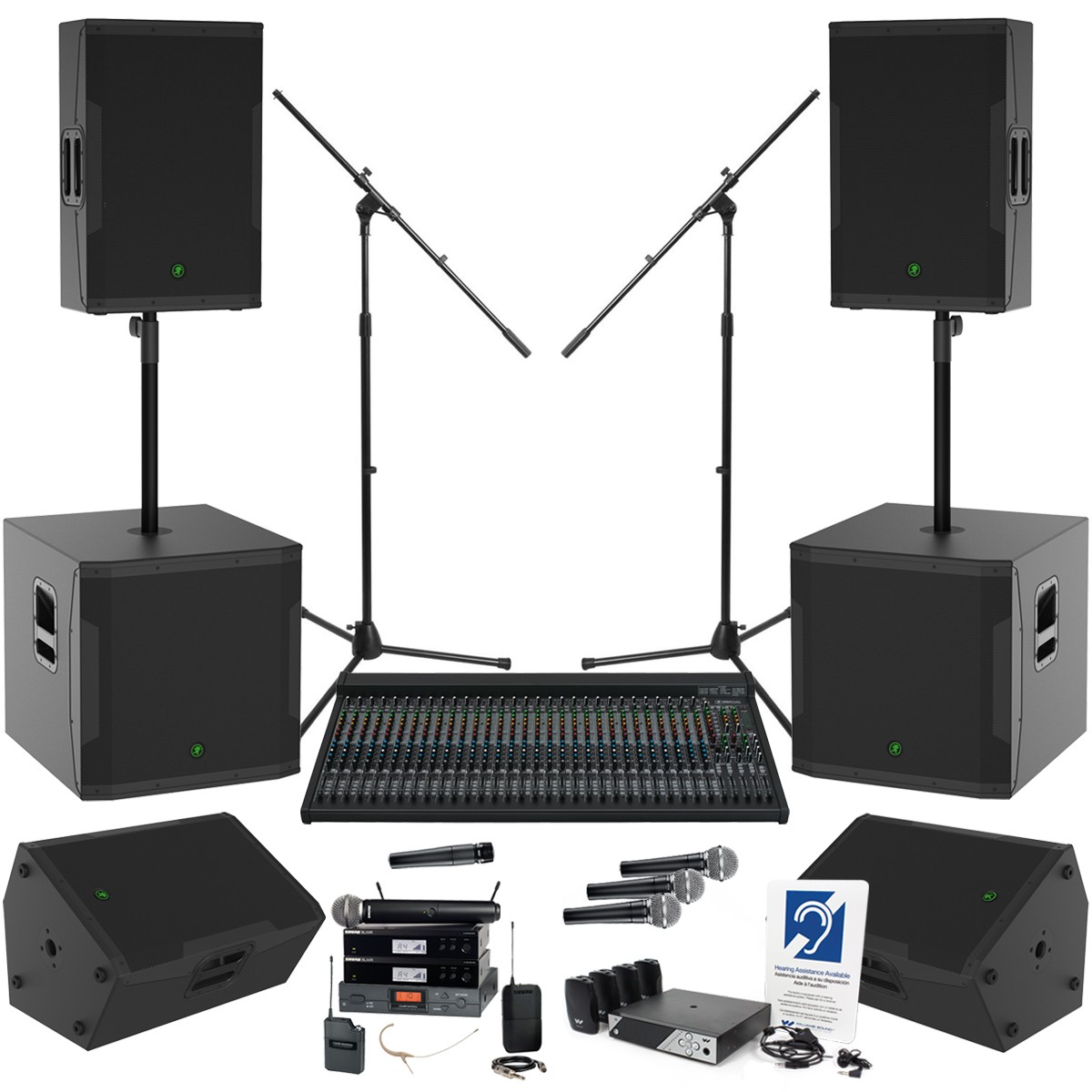
Every robust sound system is built on three pillars: source, processing, and reproduction. Sources include condenser microphones for choir captures, dynamic mics for spoken word, and line‑level inputs for multimedia players. Processing revolves around a digital mixing console that offers EQ, compression, and effects tailored to the acoustic environment. Finally, reproduction demands loudspeakers that can project a balanced soundfield across the congregation.
Amplification bridges the gap between the console’s line‑level signals and the speakers’ power needs. Selecting amplifiers with adequate headroom prevents clipping and preserves the emotional nuance of a hymn. Subwoofers may be optional for spoken‑word services but become essential when the worship includes low‑frequency worship music, adding visceral depth akin to a heartbeat in the sanctuary.
Scalability: Future‑Proofing the Choir
Churches evolve. A system that meets today’s needs may become obsolete tomorrow. Investing in modular equipment—such as a digital mixer with expandable I/O, network‑audio protocols like Dante, and speaker arrays that can be reconfigured—ensures that future upgrades integrate seamlessly. Think of the system as a living organism, capable of growing new limbs without shedding its core.
Additionally, consider the potential for wireless microphones and streaming capabilities. As congregations embrace hybrid worship, integrating a robust streaming encoder can broaden reach beyond the physical pews. The system should therefore be architecturally prepared to incorporate new “voices” without a complete overhaul.
Budget Alchemy: Maximizing Value
Allocating funds is a delicate balancing act between quality and cost. Prioritize components that directly affect listener experience: speakers, microphones, and the mixing console. While premium brands promise longevity and support, well‑reviewed mid‑range alternatives can deliver comparable performance at a fraction of the price. It’s prudent to set aside a contingency reserve—about 10‑15 % of the total budget—for unforeseen acoustic treatments or accessories like cable management and power conditioning.
When negotiating with vendors, request demonstration sessions in the actual sanctuary. Hearing the system in situ offers insight that spec sheets cannot convey, ensuring that the chosen solution harmonizes with the space’s unique timbre.
Installation and Integration: The Symphony of Wiring
The physical installation is where technical expertise meets artistic intuition. Speaker placement should follow the “point‑source” principle for clarity, with line arrays considered for larger sanctuaries requiring uniform coverage. Cable routing must avoid electromagnetic interference, using shielded XLR or AES/EBU runs wherever possible. Grounding and power distribution should be isolated from lighting circuits to prevent hum—noise that can obscure delicate harmonics.
Integrating the system with existing infrastructure—like existing projection screens or fire‑alarm systems—requires careful coordination. A unified control interface, perhaps a wall‑mounted touch panel or a mobile app, empowers ministers and volunteers to adjust levels without deep technical knowledge, making the system an accessible extension of the worship team.
Maintenance and Troubleshooting: Conducting the Health of the System
Routine maintenance extends equipment life and preserves audio fidelity. Schedule quarterly inspections for microphone capsule cleaning, speaker grille dusting, and firmware updates for digital devices. Implement a logbook—digital or analog—to track usage hours, repairs, and any anomalies. When troubleshooting, adopt a systematic approach: start at the source, verify signal path integrity, and measure SPL levels at multiple points to isolate issues.
Training sessions for volunteer operators can prevent common mishaps, such as excessive gain or feedback loops. Empowering the congregation’s sound crew with basic problem‑solving skills transforms potential crises into brief interludes rather than full‑scale disruptions.
Common Pitfalls and How to Avoid Them
One frequent mistake is underestimating room acoustics. Even the finest speakers will sound muddy in a highly reverberant hall. Conduct an acoustic analysis before purchase to avoid costly remediation later. Another pitfall is neglecting proper gain staging, leading to distortion or excessive noise. Establishing clear level hierarchies—from mic preamp to main output—ensures that every element sits comfortably within the dynamic range.
Over‑specifying equipment can also be detrimental; a system with features that never get used inflates cost and complexity. Conversely, under‑specifying for future growth can force premature replacements. Strike a balance by planning for a 20‑30 % expansion margin, allowing the system to evolve without radical redesign.
Final Recommendations: Orchestrating Success
Choosing a church sound system is a journey that blends technical precision with heartfelt purpose. Begin with a comprehensive acoustic assessment, articulate a clear audio mission, and assemble a modular core that can adapt as worship styles change. Allocate budget wisely, prioritize critical components, and invest in professional installation that respects the sanctuary’s integrity.
Finally, nurture the system through regular maintenance and empowered operators. When all these elements align, the invisible conductor—amplified by thoughtfully chosen technology—guides the congregation into a space where spoken prayers, sung praises, and musical testimonies resonate with clarity, warmth, and depth. The result is not merely sound, but an auditory tapestry that elevates the spiritual experience, turning each service into a living symphony.

