

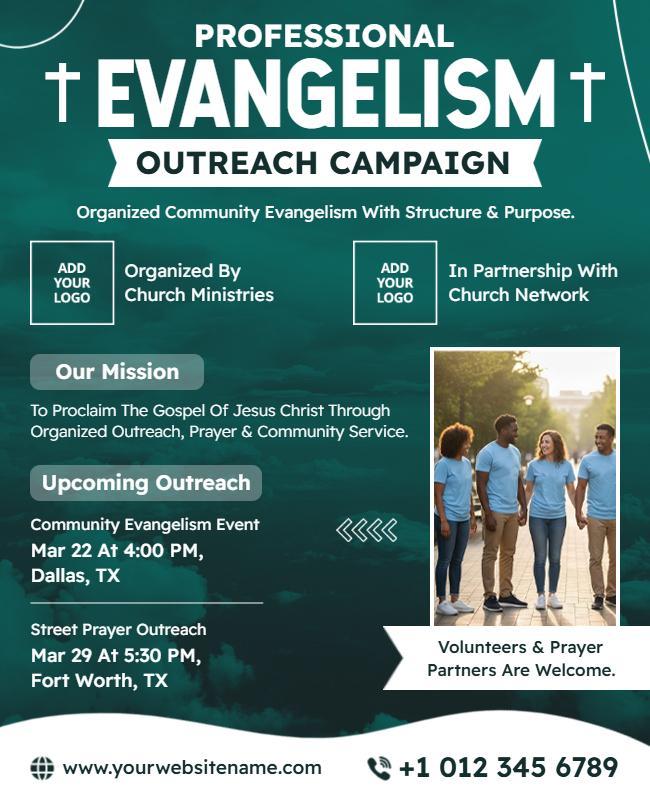
Imagine walking into a room where the air hums with anticipation, where every glance holds a story waiting to unfold, and where the walls themselves seem to whisper of transformation. This is the promise of a church evangelism campaign—not just an event, but a sacred threshold where lives are recalibrated, hearts are reignited, and communities are reborn. It’s not merely about spreading a message; it’s about igniting a revolution of the spirit, one soul at a time. But how do you craft such an experience? How do you ensure it doesn’t just echo in the pews but reverberates through the streets, the homes, and the very fabric of daily existence? The answer lies in intentionality, creativity, and an unshakable belief in the power of shared purpose.
The Prelude: Setting the Stage for Sacred Encounter
Before the first hymn is sung or the first word is preached, the ground must be prepared. A church evangelism campaign begins not with banners or bulletins, but with a quiet, deliberate cultivation of expectation. Think of it as the hush before a storm—the calm that precedes the crack of lightning, the stillness that foretells the deluge of revelation. This is where storytelling becomes your most potent tool. Share testimonies of lives transformed, not as distant anecdotes, but as living, breathing narratives that pulse with authenticity. Let the congregation feel the weight of these stories, not as spectators, but as participants in a grand, unfolding drama. The goal? To awaken a hunger, a longing to be part of something greater than themselves. When people arrive, they should sense that they are stepping into a moment where the ordinary intersects with the eternal—and that intersection is where miracles begin.
Designing the Experience: A Symphony of Senses
Evangelism is not a lecture; it’s an immersive experience. To shift perspectives, you must engage every sense, every emotion, every fragment of human consciousness. Visuals should be striking, not just in color or composition, but in symbolism. Use imagery that evokes both nostalgia and revelation—perhaps a lantern in the darkness, a bridge spanning an uncrossable chasm, or a seedling breaking through cracked earth. The auditory landscape must be equally deliberate. The music shouldn’t just fill the space; it should haunt it, lingering in the minds of attendees long after the last note fades. Even scent can play a role—incense, fresh flowers, or the subtle hint of rain on dry earth can transport people to a place of reverence. The campaign’s design should feel like a pilgrimage, where each step—whether physical or emotional—draws participants closer to a revelation they didn’t know they needed.
The Power of Shared Vulnerability
There’s a raw, unfiltered honesty in vulnerability that commands attention. When leaders and congregants alike step into the light of their own struggles, their doubts, and their triumphs, the walls of pretense crumble. This is where real connection is forged. Imagine a pastor sharing a moment of failure, not as a blemish on their leadership, but as a testament to grace’s relentless pursuit. Picture a young adult confessing their fear of irrelevance in a world that moves too fast, only to be met with a chorus of “me too’s” from peers they never expected to understand. Vulnerability disarms. It says, “We are all pilgrims here,” and in that shared pilgrimage, the gospel ceases to be a doctrine and becomes a lifeline. The campaign must carve out spaces—both public and intimate—for these exchanges. Small groups, prayer circles, even silent reflections can become crucibles where hearts are softened and minds are opened.
From Spectator to Participant: The Call to Action
A campaign that ends with a benediction and a handshake is a campaign that has failed to fulfill its purpose. The true measure of its success lies in what happens after the final amen. How do you transition from passive observer to active disciple? The answer is in the call—and not just any call, but one that feels like a summons to a higher destiny. This isn’t about guilt-tripping or pressuring; it’s about painting a vision so compelling that inaction feels like a betrayal of one’s own soul. Provide tangible next steps: a discipleship group for the curious, a service project for the restless, a prayer chain for the overwhelmed. Make it easy to say yes. And then, equip the congregation to invite others—not with a sales pitch, but with the infectious enthusiasm of someone who has discovered a treasure. The most powerful evangelism happens when people can’t help but share the good news because it has rewritten the narrative of their lives.
Sustaining the Momentum: The Art of Post-Campaign Nurturing
The fire of a campaign can flicker and fade if not tended with care. The weeks following the event are critical, where the seeds of transformation either take root or wither. This is where the rubber meets the road. Implement a follow-up system that feels personal, not automated. Handwritten notes, home visits, or small group check-ins can make all the difference. But nurturing isn’t just about maintenance; it’s about deepening. Introduce resources that challenge and inspire—books, podcasts, or mentorship opportunities that align with the campaign’s themes. Create spaces for ongoing dialogue, whether through social media groups, monthly gatherings, or even a hotline for questions and prayer requests. The goal is to keep the conversation alive, to remind people that their spiritual journey didn’t end with the closing hymn. When the campaign becomes a lifestyle rather than an event, its impact becomes eternal.
The Ripple Effect: How One Campaign Can Transform a Community
The most profound campaigns don’t just change individuals; they reshape communities. When a church’s evangelism efforts are rooted in love rather than obligation, the ripple effects are undeniable. Families are reconciled. Neighbors who once avoided each other now share meals. Schools see a decline in bullying as students encounter a message of dignity and purpose. Local businesses thrive as the campaign injects new energy into the area. But perhaps the most beautiful ripple is the one that extends beyond the tangible. It’s the quiet shift in the air—the way people greet each other with a warmth they didn’t know they possessed, the way strangers become friends over shared stories, the way a town begins to feel less like a collection of individuals and more like a family. This is the legacy of a campaign done right: not just a moment of inspiration, but a movement of transformation.
To celebrate a church evangelism campaign is to celebrate the audacity of hope. It’s to declare that the world as it is does not get the final say, that redemption is not a relic of the past but a present reality. It’s to gather a people who, though flawed, are willing to be vessels of something greater. And when done with intention, creativity, and an unshakable belief in the power of the gospel, such a campaign doesn’t just mark a season—it redefines a generation.

