

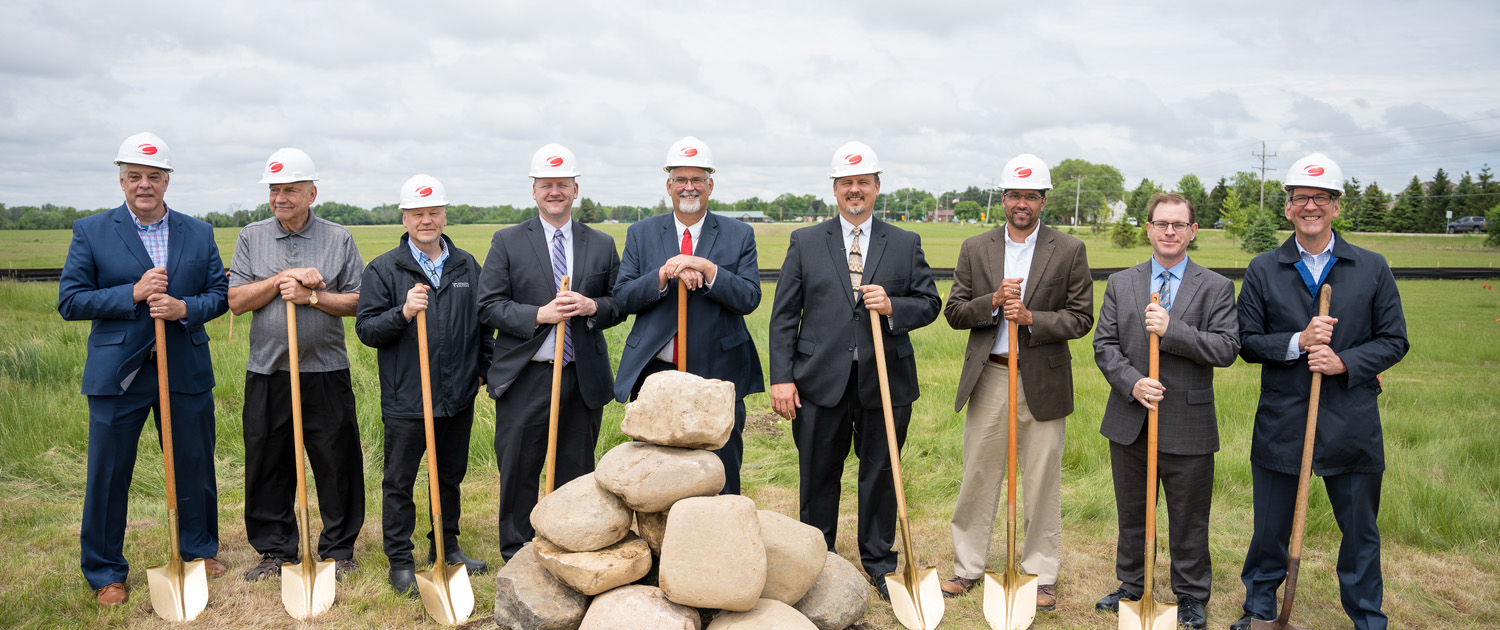
What if the first brick of your church’s foundation could carry the weight of a thousand dreams? A groundbreaking ceremony isn’t just a ceremonial shovel in the dirt—it’s the spark that ignites a community’s vision, a tangible promise that something sacred is about to rise from the earth. But how do you craft a program that doesn’t just mark the spot where the foundation will be poured, but also weaves together faith, celebration, and purpose? Let’s dig into the art of designing a church groundbreaking program that leaves everyone—from the youngest congregant to the oldest elder—feeling the gravity and joy of what’s to come.
The Prelude: Setting the Tone with Sacred Symbolism
Before the first note of a hymn is sung or the first prayer is uttered, the groundbreaking program must whisper to the soul. Think of it as a liturgical overture, where every element—from the color of the program cover to the choice of scripture—serves as a brushstroke on the canvas of anticipation. Begin with a theme that resonates with your congregation’s identity. Will it be a celebration of new beginnings, a testament to perseverance, or a bold declaration of faith’s enduring presence? Choose a theme that feels like a warm embrace, not a corporate slogan. For instance, a theme like “Roots of Faith, Branches of Hope” can frame the ceremony as both an homage to tradition and a leap toward the future. The program’s design should echo this theme—perhaps with imagery of saplings breaking through soil or light filtering through stained glass. And don’t forget the tactile: a textured cover or a ribbon bookmark can turn the program into a keepsake, something people will tuck into their Bibles or display on their shelves long after the shovels have been hung on the wall.
Scripture and Prayer: The Anchor in the Storm of Celebration
Amid the fanfare of speeches and the clink of silverware, it’s easy for the spiritual core of the groundbreaking to get lost in the shuffle. But a well-crafted program ensures that scripture and prayer remain the North Star, guiding every moment. Select passages that speak to building, growth, and divine partnership. Psalm 127:1, “Unless the Lord builds the house, the builders labor in vain,” is a classic for a reason—it reminds everyone that this project is as much God’s work as it is human effort. Pair this with a prayer that isn’t just a perfunctory recitation but a heartfelt invocation. Consider a litany where different voices—youth, elders, leaders—take turns voicing petitions for wisdom, safety, and unity. This isn’t just about asking for blessings; it’s about acknowledging that the groundbreaking is a covenant between the congregation and the Divine. And here’s a challenge: what if the prayer isn’t just spoken but *embodied*? Perhaps a moment where the congregation places their hands on the ground (or a symbolic representation of it) and prays in unison, feeling the literal and spiritual weight of the moment.
The Processional: A March of Memory and Hope
The groundbreaking ceremony isn’t just a photo op—it’s a procession of the past, present, and future. How you structure the processional can turn a simple walk to the construction site into a pilgrimage of sorts. Start with the clergy and church leaders, symbolizing their role as shepherds guiding the flock. Follow with representatives from the construction team, whose expertise will literally lay the groundwork. Then, invite members of the congregation to carry symbolic items—a trowel, a brick, a framed rendering of the future church—to the site. Each item should represent a piece of the church’s story or a hope for its future. But here’s where it gets interesting: what if the processional isn’t linear? What if it winds through the congregation, with people standing and placing their hands on the shoulders of those walking by, creating a living chain of connection? This small twist transforms the processional from a march into a communal embrace, a reminder that every person present is part of the church’s foundation.
The Ceremonial Shovel: More Than Just a Photo Prop
The moment when the ceremonial shovel sinks into the earth is the emotional climax of the groundbreaking. But too often, this pivotal act is reduced to a perfunctory gesture, captured in a single photograph before the real work begins. To elevate it, think of the shovel as a sacred tool. Choose one that reflects the church’s values—perhaps a wooden-handled shovel for a rustic, community-built feel, or a shovel engraved with a verse or the church’s name. The act of breaking ground should be deliberate, not rushed. Consider having the senior pastor or a longtime member of the congregation perform the first dig, followed by a symbolic passing of the shovel to a child or a new member, signifying the transfer of legacy and the welcoming of fresh vision. And don’t stop at the shovel. What if the ground itself is prepared in a unique way? A small patch of earth could be blessed with oil, or a time capsule—containing letters from congregants, photos, or a Bible—could be buried at the site, to be unearthed when the church celebrates its anniversary.
The Post-Ceremony: Feasting as an Act of Communion
A groundbreaking ceremony isn’t complete without breaking bread together. The post-ceremony meal or reception is where the seeds planted in the morning take root in fellowship. But this isn’t just any potluck—it’s a feast of intentionality. The food should reflect the church’s cultural diversity, perhaps featuring dishes from different generations or regions represented in the congregation. The seating arrangement can also tell a story: what if tables are named after the church’s core values—Faith, Service, Community, Worship—and guests are encouraged to sit at the table that resonates most with them? This small act fosters connection and sparks conversations that might not happen otherwise. And don’t overlook the power of music during the meal. A live acoustic set or a choir singing hymns in a round can create an atmosphere of reverence and joy. The goal isn’t just to feed bodies but to nourish the bonds that will hold the church together as it grows.
The Unseen Challenge: Balancing Tradition and Innovation
Here’s the rub: how do you honor the sacred traditions of groundbreaking ceremonies while also infusing fresh energy that resonates with a modern congregation? The tension between reverence and relevance is real. Some may argue that a groundbreaking should be austere, a solemn affair where every moment is steeped in centuries-old ritual. Others might push for a more contemporary approach, with multimedia presentations or interactive elements. The key is to strike a balance. For example, you could retain the traditional prayer and scripture readings but introduce a modern twist by livestreaming the ceremony for those who can’t attend in person. Or, you could keep the ceremonial shovel dig but pair it with a drone flyover to capture aerial footage of the site, blending the old with the new. The challenge isn’t about choosing one over the other—it’s about weaving them together so seamlessly that no one notices the seams. The program should feel timeless, yet unmistakably *your* church’s story.
The Legacy: What Will Remain When the Dust Settles?
A groundbreaking ceremony is more than a single day—it’s the first chapter of a much larger story. The program you create should plant seeds that will grow long after the shovels are put away. Consider how the elements of the ceremony can be revisited in future services. The theme could inspire a sermon series. The time capsule could be opened during a milestone anniversary. The shovel could be displayed in the church’s lobby as a reminder of the community’s commitment. But the most enduring legacy might be the way the ceremony fosters a sense of ownership among the congregation. When people leave that day, they shouldn’t just feel like spectators—they should feel like co-builders, as if they’ve already placed their hands on the bricks that will form the walls of the church. That’s the true magic of a groundbreaking program: it doesn’t just mark the beginning of construction. It marks the beginning of a shared journey.

