

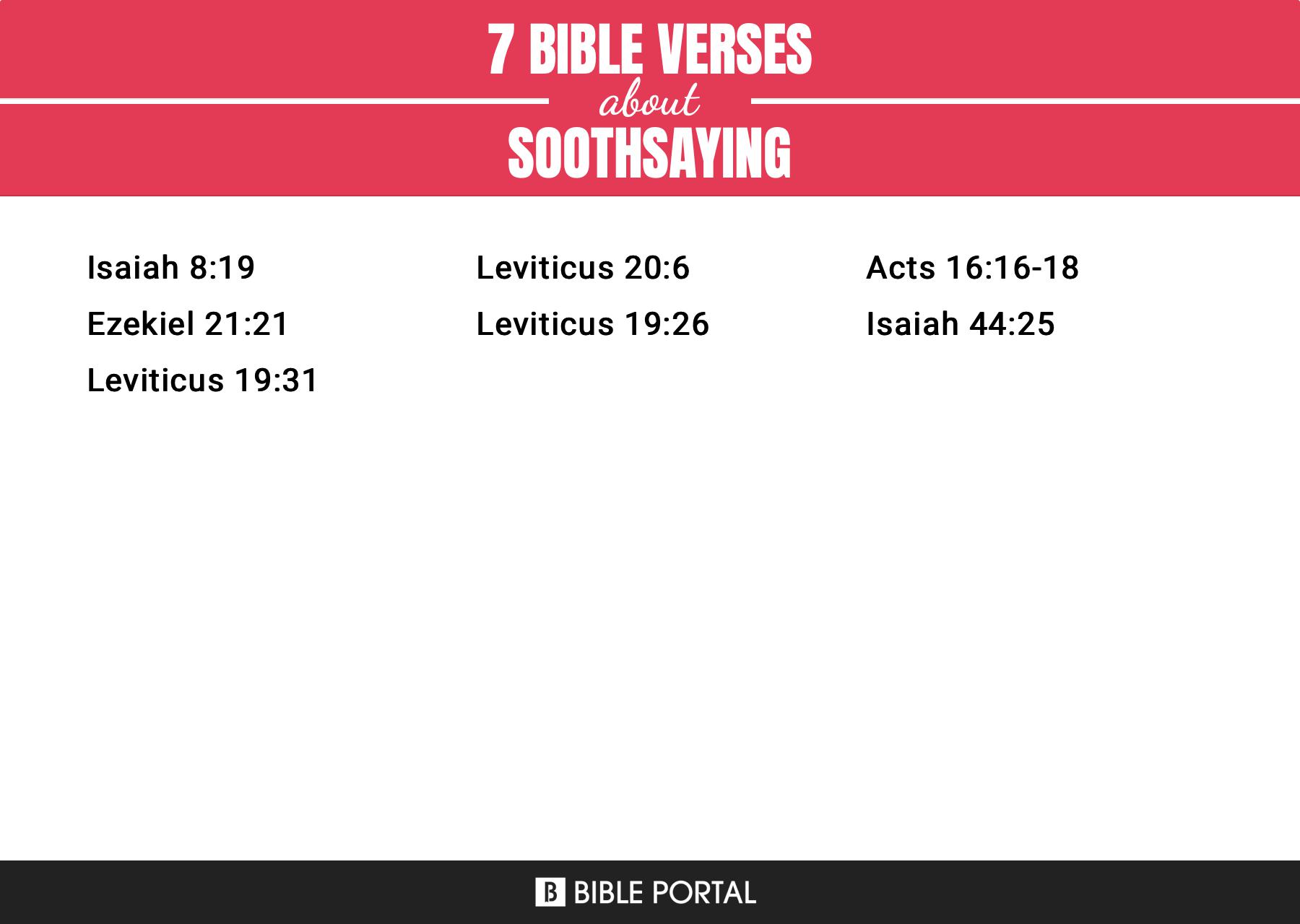
Soothsaying, a term that conjures images of crystal balls and mysterious figures draped in cloaks, is a practice with deep roots in ancient cultures and a marked presence in biblical texts. While modern interpretations often cast soothsaying in a frivolous light, a closer examination reveals its intricate connection to the spiritual practices of the time and the cautionary stances adopted by biblical authors.
At its core, soothsaying involves the attempt to predict or interpret future events through various means, often regarded as superstitious or occult. In the Bible, soothsaying encompasses various forms of divination, including astrology, palm reading, and necromancy. This connection to the arcane raises fundamental questions about humanity’s enduring fascination with the unknown and the desire to gain insight into the unfathomable future.
One notable scriptural reference is found in the book of Deuteronomy, where the Israelites are explicitly warned against engaging in practices associated with soothsaying and divination. “There shall not be found among you anyone who burns his son or his daughter as an offering, anyone who practices divination or tells fortunes or interprets omens or a sorcerer…” This admonition reflects a broader theological theme: the desire to maintain spiritual purity and unwavering faith in God. The prohibition of such practices underscores the belief that true prophecy comes only from divine revelation, contrasting sharply with the charlatanry often associated with soothsaying.
Furthermore, the Bible presents soothsaying as a siren call—an alluring distraction from reliance on God. The narratives depict characters who sought such knowledge, often to their detriment. The story of Saul seeking out the Witch of Endor epitomizes this tragic reliance on soothsaying. In his desperation and disconnection from God, Saul turned to a medium to inquire about his future, ultimately leading to dire consequences. This poignant episode exemplifies the inherent tension between faith in divine providence and the human proclivity for seeking out alternatives, especially in times of crisis.
The fascination with soothsaying is not merely a relic of historical curiosity. It speaks to a persistent human trait: the yearning for control over one’s fate. In an increasingly chaotic world, the desire to decipher the future becomes more pronounced. Soothsayers, in their many forms, can provide a semblance of certainty and comfort, luring individuals with the promise of foresight. The allure lies not only in the predictions themselves but also in the human connection fostered in the act of seeking guidance. This complex dynamic highlights the social and psychological underpinnings of spiritual practices across various cultures.
Moreover, soothsaying can be viewed through the lens of the struggle between the sacred and the profane. Many ancient rites associated with divination invoked deities and spirits, thereby intertwining the practice with religious significance. The biblical stance against soothsaying is as much a reflection of a monotheistic worldview as it is a warning of the dangers of syncretism—a blending of religious practices that could dilute one’s faith.
In examining soothsaying within the biblical context, one uncovers the multifaceted nature of the practice. It embodies the confrontation between the human quest for knowledge and the reverence for divine authority. The warnings against soothsaying present not only a historical context but an invitation to reflect upon the foundations of faith and the paths we choose to pursue, especially when confronted with the uncertainties of life.
Ultimately, the biblical discourse on soothsaying reminds us that while the allure of foresight may captivate the mind, true wisdom and understanding reside in the embrace of faith and the divine. It compels believers to navigate the complexities of desire, faith, and the search for truth with discernment and conviction.

