

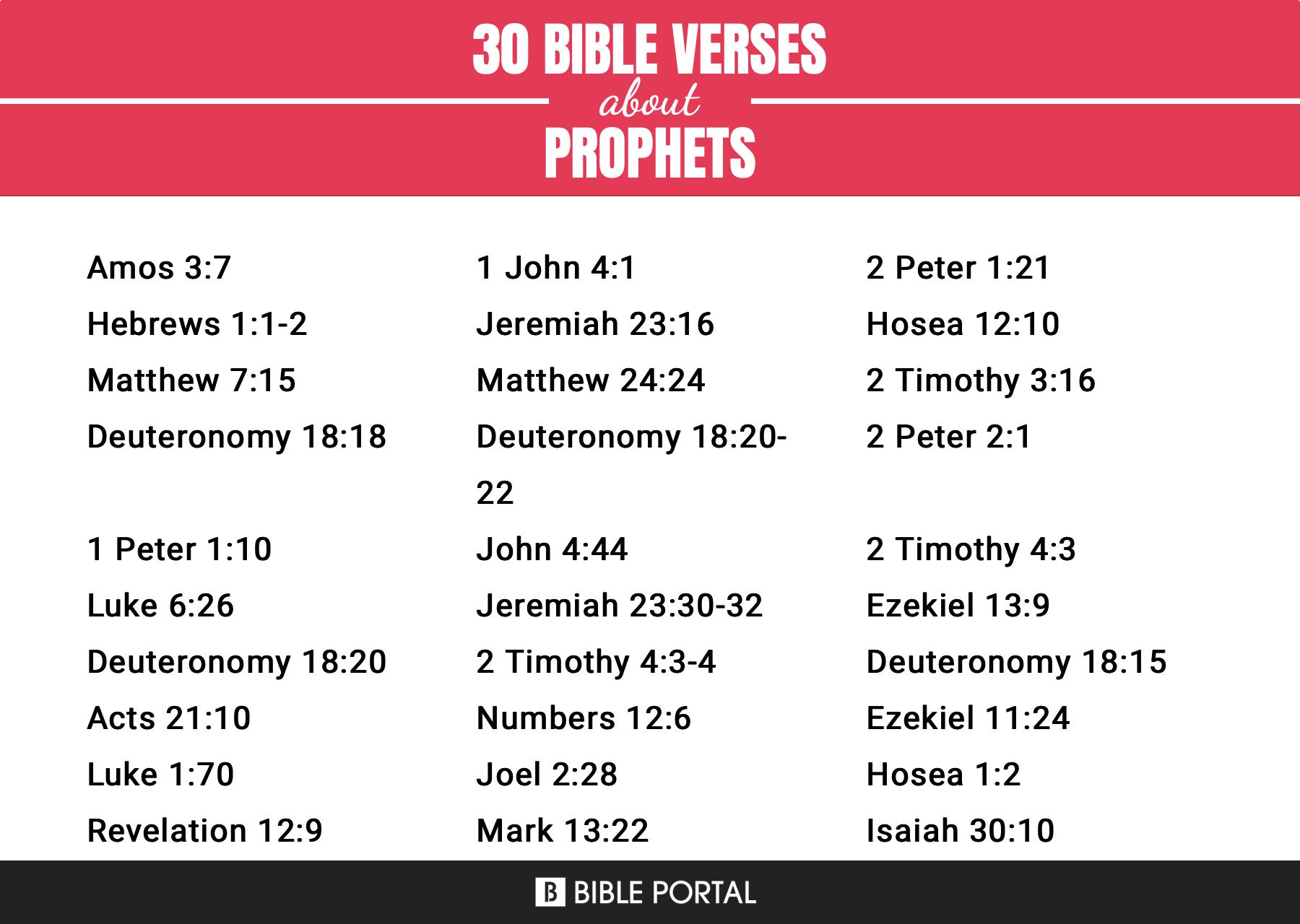
What comes to mind when you think of prophets? Are they merely ancient figures with mystical connections to the divine, or do they embody a more complex and vibrant reality? The fascinating world of biblical prophets invites us to explore their profound significance and the challenges they faced. As we delve into the scripture, let’s unravel the roles, messages, and missions of these extraordinary individuals.
In the grand tapestry of the Bible, prophets often emerge as the spiritual heralds of their time. They serve not only as messengers of God but also as vital links between the divine and humanity. Their proclamations encapsulated warnings, guidance, and revelations meant to steer the people towards righteousness. The prophetic journey begins in the Old Testament, where figures like Moses and Elijah set the stage. Moses, for instance, is not only a leader but also a mediator, conveying God’s commandments to the Israelites, illuminating their path through the desert of moral ambiguity.
Consider the distinction between the major and minor prophets, a categorization that speaks to the volume, rather than the importance, of their messages. Major prophets, such as Isaiah and Jeremiah, delivered sweeping revelations about the fate of nations, while minor prophets, like Micah and Obadiah, offered piercing insights into specific societal issues. This classification challenges us: could the minor truths be as impactful as the grand prophecies? Every voice echoes in the divine symphony, resonating with purpose.
The enduring essence of prophecy is its boldness. Prophets dared to speak truth to power, often at great personal risk. Take the story of Jeremiah, who faced persecution for his unyielding message of repentance and impending doom. Would you have the courage to voice uncomfortable truths in a world that often prefers comfortable lies? This question beckons each of us to examine our own willingness to confront injustices, perhaps inspired by the unwavering courage of the prophets.
Beyond messages of warning, prophets also heralded hope. The prophetic literature is replete with visions of restoration and divine mercy. Isaiah’s words about a coming Messiah ignite hope amidst despair. This interplay between judgment and redemption fosters a profound understanding of God’s nature—both just and merciful. It challenges believers today to ponder: how do we balance truth and mercy in our own lives?
In addition to the notable figures, the Bible also addresses the nature and qualifications of prophets. The requirements include a deep spiritual commitment, a life marked by integrity, and an unwavering fidelity to God. Deuteronomy articulates specific tests to discern true prophets from false ones, establishing a foundation for accountability. This raises an essential question—how discerning are we in our assessment of spiritual leaders? In an age rife with misinformation, this inquiry becomes increasingly pressing.
Finally, the prophetic tradition does not conclude with the Old Testament. The New Testament introduces John the Baptist, who bridges the old and new covenants, announcing the arrival of Christ. His role illustrates that prophecy is not confined to foretelling the future but encompasses an ongoing dialogue that reveals God’s purposes throughout history.
The exploration of what the Bible says about prophets reveals a complex interplay of roles, responsibilities, and revelations. It challenges us to reflect on our dedication to truth, the courage to persist in the face of adversity, and our understanding of hope. As we continue our journey through faith, let’s embrace the lessons of these spiritual giants, boldly proclaiming truth while extending mercy—a duality that resonates through the ages.

