

In the grand symphony of faith, where hymns rise like incense and sermons weave their timeless truths, there exists a quieter yet equally vital melody—the rhythm of generosity. Churches are not merely spiritual sanctuaries; they are living ecosystems of hope, where every contribution, no matter how small, resonates like a single note in a vast cathedral of shared purpose. Yet, for this symphony to swell with harmony rather than falter into dissonance, communication must become the conductor—guiding, clarifying, and inspiring every member to join the crescendo of giving. Without it, even the most noble campaigns risk becoming whispers lost in the pews, unheard and unanswered.
The Bridge Between Vision and Action: Why Communication is the Keystone of Church Giving
Imagine a lighthouse standing sentinel on a storm-lashed shore. Its beam cuts through the darkness, guiding ships safely home. In the realm of church giving, communication serves as that very beacon—transforming abstract visions into tangible pathways of participation. When a congregation understands not just the what but the why behind a campaign, their giving shifts from obligation to opportunity. A well-crafted message doesn’t merely announce a need; it paints a portrait of transformation, where every dollar becomes a brushstroke in a masterpiece of community impact.
Yet, too often, churches treat giving campaigns as financial transactions rather than spiritual collaborations. The result? A congregation that feels like a passive audience rather than an active chorus. The antidote lies in framing communication as a dialogue, not a decree. Share stories of lives changed, not just spreadsheets of numbers. Highlight the ripple effects of generosity—the child whose education is funded, the family fed, the ministry that flourishes. When people see their role in a larger narrative, their wallets open not out of guilt, but out of awe.
The Art of the Sermon: Preaching Generosity Without Preaching
There is a delicate alchemy to discussing money in the pulpit. Do it poorly, and you risk sounding like a televangelist peddling prosperity gospel. Do it well, and you ignite a fire of purpose that outlasts the collection plate. The key lies in reframing the conversation. Instead of framing giving as a duty, position it as an act of worship—a tangible expression of gratitude for blessings received. Speak of generosity as a spiritual discipline, akin to prayer or fasting, where the heart’s posture matters as much as the hand’s offering.
Consider the parable of the widow’s mite. Her two small coins, though seemingly insignificant, were deemed more valuable than the large sums of the wealthy because they were given from a place of wholehearted devotion. A sermon on giving should echo this truth: it’s not the size of the gift that matters, but the size of the giver’s heart. Use metaphors that resonate—perhaps comparing tithing to planting seeds in fertile soil, where faith and generosity grow in tandem. Or liken the church’s financial needs to a shared garden, where each contribution waters the dreams of a thriving community.
From Pulpit to Pew: The Power of Multichannel Storytelling
In an age where attention is the most precious currency, a single Sunday announcement is no longer enough to stir hearts. The modern congregation is a mosaic of digital natives, traditionalists, and everyone in between. To reach them all, churches must become multimedia storytellers, weaving their giving campaigns across platforms like a tapestry of shared purpose.
Start with the visual—infographics that distill complex financial goals into digestible, eye-catching designs. A thermometer graphic, climbing toward a target, can make abstract numbers feel urgent and tangible. Pair this with short video testimonials from those who’ve benefited from past campaigns: a single mother whose child attended a summer camp, a student whose tuition was covered, a family whose home was repaired after a disaster. These aren’t just stories; they’re emotional anchors that tether generosity to real lives.
Social media offers another frontier. Platforms like Instagram and Facebook thrive on bite-sized inspiration. Share behind-the-scenes glimpses of campaign planning, quotes from pastors on the theology of giving, or even a “day in the life” of the church’s financial team. For the more traditional, printed materials—bulletin inserts, postcards, or even a dedicated giving guide—ensure that no one is left in the digital dark. The goal is consistency: a drumbeat of messaging that keeps the campaign’s purpose top of mind without overwhelming the senses.
The Psychology of Participation: Nudges, Norms, and Narratives
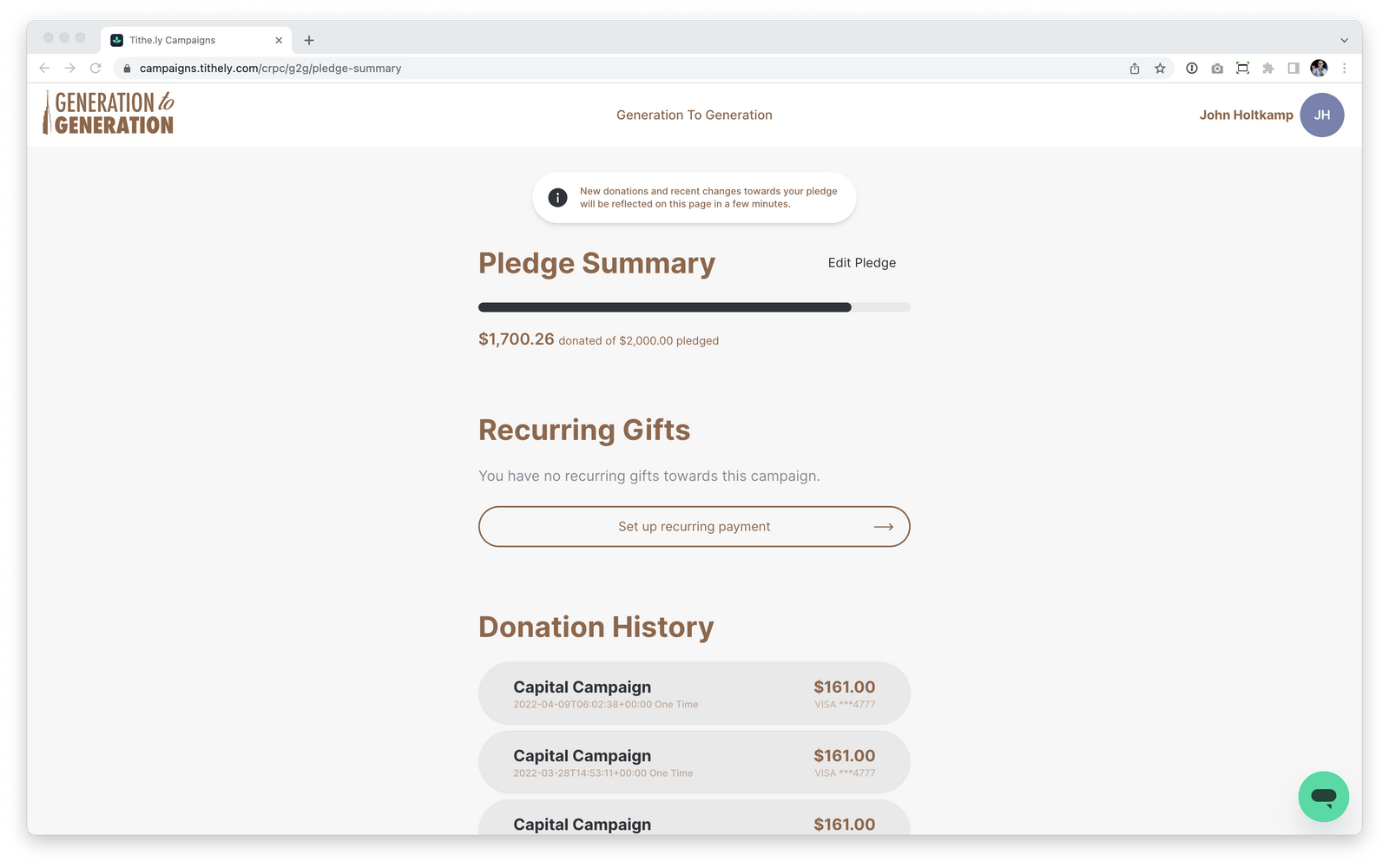
Human behavior is a labyrinth of conscious choices and subconscious cues. To encourage giving, churches must become adept at navigating this maze, using psychological principles to gently guide their flock toward participation. One such principle is social proof—the idea that people are more likely to act when they see others doing the same. Highlight giving statistics in real time: “This week, 45% of our congregation has contributed to the campaign!” This creates a virtuous cycle where visibility breeds participation.
Another tool is the power of commitment. When individuals make a public pledge—even a non-binding one—they’re far more likely to follow through. Churches can leverage this by offering pledge cards during services or online forms that allow members to commit to a giving amount. The act of writing it down, even if it’s just a symbolic gesture, plants the seed of accountability. Pair this with the principle of reciprocity: remind congregants of the blessings they’ve received—answered prayers, community support, spiritual growth—and watch as gratitude becomes the catalyst for generosity.
Yet, the most potent psychological lever is narrative. Stories bypass the rational mind and speak directly to the heart. Instead of leading with spreadsheets, lead with a story. “Meet Sarah, a single mom who found hope in our food pantry…” or “Thanks to your generosity last year, we were able to send 20 students to camp…” These narratives don’t just inform; they inspire. They transform giving from a transaction into a testament—a living, breathing response to God’s grace.
Overcoming the Obstacles: Fear, Silence, and the Taboo of Talking About Money
For many churches, the greatest barrier to effective giving campaign communication isn’t a lack of creativity—it’s the unspoken taboo surrounding money. In polite company, financial discussions are often relegated to hushed tones or avoided entirely. But in the church, where stewardship is a cornerstone of faith, silence only breeds misunderstanding. The first step is normalizing the conversation. Pastors must model transparency, sharing not just the needs but the dreams—where funds will go, how they’ll multiply impact, and the lives they’ll transform.
Another obstacle is fear—fear of sounding mercenary, fear of alienating those struggling financially, fear of falling short of goals. The antidote? Reframe the narrative. Instead of framing campaigns as “asks,” position them as invitations to join a legacy. “This year, we’re not just raising money; we’re raising up a generation of believers who will carry the torch of faith forward.” Emphasize partnership over pressure. Remind the congregation that every gift, no matter the size, is a vital thread in the tapestry of the church’s mission.
Finally, address the elephant in the room: skepticism. In an era of financial scandals and mistrust, some may wonder where their money truly goes. Transparency is the answer. Share annual reports, highlight specific projects funded by past campaigns, and invite members to ask questions. When the congregation sees that their contributions are stewarded with integrity, their willingness to give will flourish like a well-tended garden.
The Ripple Effect: How Informed Giving Transforms Communities
The true magic of church giving campaigns lies not in the funds raised, but in the communities they reshape. A well-communicated campaign doesn’t just fill the offering plate; it ignites a chain reaction of generosity that extends far beyond the church walls. When members see their giving in action—whether it’s funding a homeless shelter, supporting missionaries, or revitalizing a neighborhood—they become ambassadors of the cause. They share stories at work, invite friends to events, and model generosity in their daily lives.
This ripple effect is the heartbeat of a thriving church. It transforms giving from a seasonal obligation into a lifelong rhythm. It turns congregants into co-creators of the church’s mission, where every dollar is a vote of confidence in the future. And perhaps most importantly, it fosters a culture of abundance, where scarcity gives way to trust, and fear is replaced by faith in the power of collective generosity.
In the end, church giving campaigns are not just about money. They are about awakening the soul of a community to its highest calling—to love, to serve, and to give. When communication becomes the bridge between vision and action, the result is nothing short of miraculous: a congregation united not just in worship, but in the sacred art of making a difference.

