

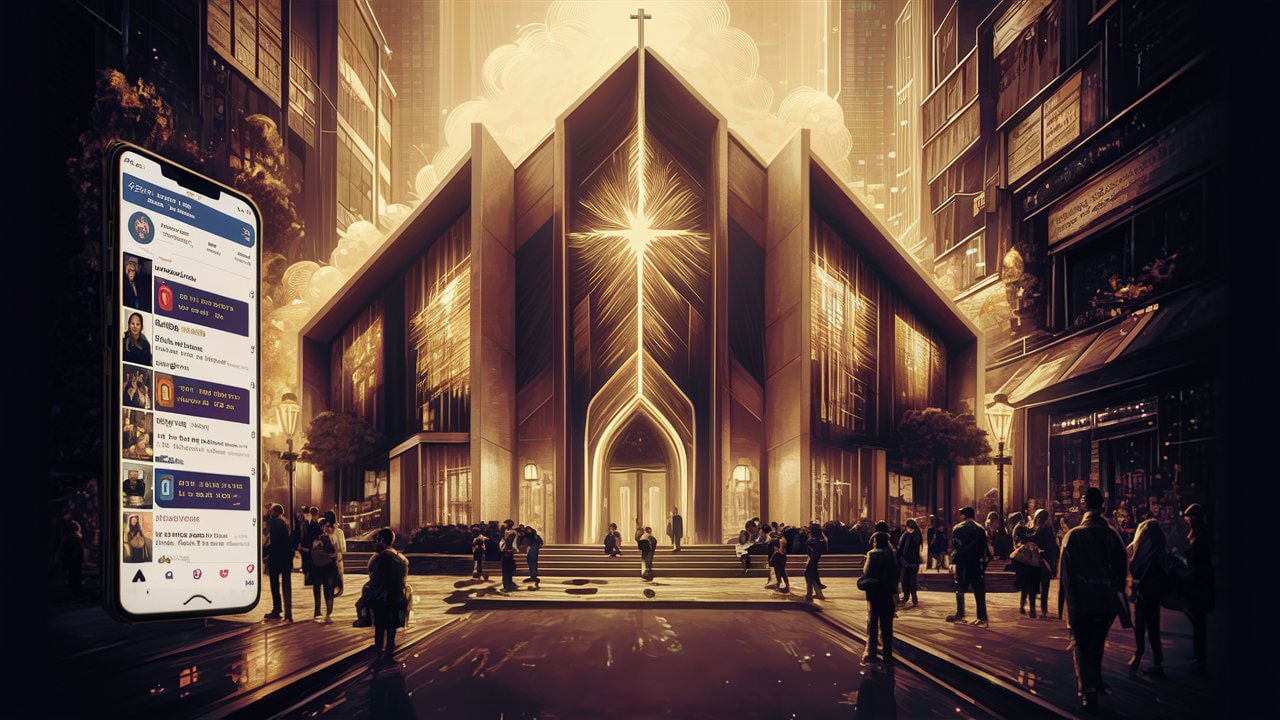
What if the first impression someone gets of your congregation isn’t a warm handshake at the door, but a flickering, cluttered webpage that takes an eternity to load? This playful query might seem whimsical, yet it unveils a profound truth in today’s digitally-saturated era. The virtual narthex of your church—its website—serves as the initial handshake, the welcoming choir, and the instructive bulletin all rolled into one flickering screen. Crafting this digital doorway with intention, warmth, and accessibility isn’t merely a technological afterthought; it’s a spiritual imperative that extends your ministry beyond the physical pews and into the pockets, laptops, and tablets of seekers, wanderers, and faithful members alike.
Understanding the Digital Pew: Why Your Website Matters
The modern church exists in dual realms. There is the sanctuary where hymns reverberate through vaulted ceilings, and there is the digital sphere where countless individuals first encounter your community’s story. Your website functions as the digital pew—a space where visitors gather, learn, and decide whether they will cross the threshold into physical fellowship. Neglecting this virtual space means potentially turning away souls who might otherwise have found refuge within your walls. The digital pew demands the same reverent attention you would give to arranging flowers for the altar or polishing brass fixtures. Every pixel, every word, every functionality choice speaks to the values and care of your congregation.
Mobile-First: The Pocket Pulpit
Consider for a moment the statistics that underscore our mobile dependency. Over half of all web traffic now originates from handheld devices. When a parent during a lunch break or a night-shift worker browsing at dawn attempts to access your site, they expect instant gratification—a seamlessly rendered experience that adapts to their screen like water conforming to its vessel. Mobile-first design isn’t a trend; it’s a theological declaration that you value every user equally, regardless of the device they carry. Responsive layouts, appropriately sized touch targets, and swift-loading images transform your website into a pocket-sized pulpit capable of delivering your message anywhere on the globe.
Content Architecture: Structuring the Sacred Narrative
A well-constructed website mirrors the liturgical flow that guides your worship services—intentional, sequential, and purposeful. Content architecture encompasses the organization of your information hierarchy, ensuring that visitors encounter what matters most without navigating through a labyrinth of confusion. Your homepage should function as the opening prayer, immediately communicating who you are, what you believe, and how visitors can engage. Subpages serve as the successive movements of your digital worship, each dedicated to specific ministries, events, beliefs, and contact information. Hierarchical clarity reduces cognitive load, allowing hearts to remain focused on your message rather than wrestling with navigation.
Visual Liturgy: Imagery and Branding
Photography and visual elements compose the visual liturgy of your website—the icons, banners, and imagery that communicate without words. Stock photos of generic congregations undermine authenticity. Instead, showcase genuine moments from your community: laughter during fellowship meals, hands clasped in prayer, children absorbed in Sunday school activities. These images build a visual narrative of belonging. Cohesive branding—consistent color palettes derived from your church’s identity, typography that reflects warmth without sacrificing readability, and thoughtfully designed logos—creates a sanctuary aesthetic that lingers in visitors’ memories long after they’ve navigated elsewhere.
Navigation as Pilgrimage: User Experience Design
Every website visit embarks upon a pilgrimage, and your navigation structure determines whether that journey feels like a serene stroll through familiar grounds or a bewildering trek across unmapped terrain. Intuitive menus, breadcrumb trails that help users remember their digital location, and logical page hierarchies guide visitors toward their desired destinations. The altar calls of your website—the donation buttons, event registration forms, and contact submissions—must appear at natural stopping points in this pilgrimage. Eliminate friction wherever possible; if users must struggle to find your service times or pastoral contact information, you’ve erected unnecessary barriers between seekers and salvation.
Calls to Action: The Digital Altar Call
Just as your Sunday services culminate in invitations for commitment, your website must present clear calls to action. Whether you’re prompting visitors to register for an upcoming retreat, subscribe to your newsletter, make a donation, or simply reach out with prayer requests, these CTAs function as digital altar calls. Strategically place them throughout your content, but resist the temptation to overwhelm visitors with competing demands. Each call should offer distinct value, communicating that engagement with your community yields genuine spiritual nourishment. Compelling copy, visually distinct buttons, and thoughtful placement transform passive browsing into active participation.
Accessibility: Widening the Welcome Mat
A church that proclaims welcome to all must extend that invitation through its digital doorway with equal fervor. Web accessibility ensures that individuals with visual, auditory, motor, or cognitive impairments can fully engage with your content. Alt text for images, keyboard navigability, sufficient color contrast, readable font sizes, and captioning for videos demonstrate a commitment to inclusivity that mirrors your congregation’s broader mission. Accessible design isn’t merely compliance with guidelines; it’s an expression of the belief that every soul deserves entry into your community’s story, regardless of ability.
SEO and Community Discovery: Being Found in the Wilderness
Even the most beautifully designed website remains invisible if search engines cannot locate it. Search engine optimization serves as the lighthouse that guides lost seekers toward your shores. Thoughtful keyword integration, local SEO practices that connect you with nearby searchers, and technical optimization that ensures search engines can crawl your content effectively all contribute to discoverability. When someone types “churches near me offering grief support” or “family-friendly worship services,” your optimized website should emerge as a beacon in the vast digital wilderness.
Engagement Tools: Beyond the Digital Bulletin
The modern church website transcends static bulletin boards. Interactive features such as online giving platforms, event calendars with registration capabilities, podcast feeds, blog devotionals, and live-streaming integrations transform your site into a living ecosystem of connection. Social media integration allows seamless sharing of sermons and updates. Church management software embedded within your site can facilitate small group sign-ups, volunteer scheduling, and prayer request submissions. These tools extend your ministry’s reach far beyond Sunday morning, nurturing faith formation throughout the week.
Measuring Impact: The Analytics of Faith
How do you know if your digital ministry bears fruit? Analytics provide the data-driven insight necessary for continuous improvement. Tracking visitor demographics, popular content, conversion rates for your calls to action, and user behavior patterns reveals what’s working and what requires refinement. This analytical practice isn’t cold or transactional; rather, it reflects a commitment to stewardship—ensuring that the resources invested in your digital presence yield maximum spiritual impact. Regular review and adaptation demonstrate that your church takes its online ministry as seriously as its physical gatherings.

