

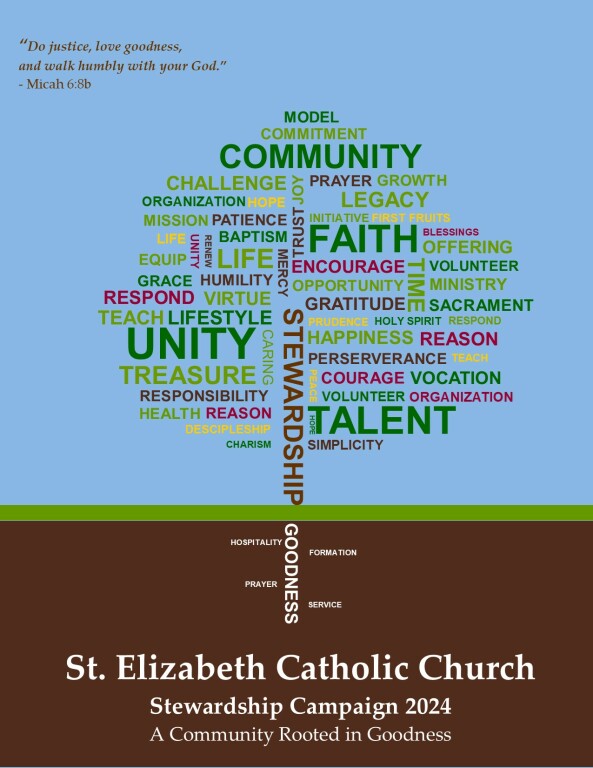
What if the most powerful force in your church wasn’t the pulpit, the choir, or even the pastor’s sermon—but the quiet, deliberate act of giving? Imagine, for a moment, that every dollar placed in the offering plate isn’t just currency, but a sacred trust, a divine investment in eternity. This is the heart of church giving campaigns and stewardship: a dance between faith and finance, where generosity becomes an act of worship and resources are managed with the reverence of a steward tending to a master’s vineyard. But here’s the playful challenge: How do we inspire hearts to give not out of obligation, but out of joy? How do we ensure that every gift, no matter its size, is a step toward something greater than ourselves?
The Sacred Art of Stewardship: More Than Just Money
Stewardship is often misunderstood as a financial transaction, a polite request for funds tucked between hymns and announcements. But true stewardship is a spiritual discipline, a way of life that recognizes all we have—time, talents, and treasures—as gifts from God. It’s the farmer who tends his soil with care, the artist who polishes every brushstroke, the musician who practices until the melody sings. In the church, stewardship is the art of managing God’s resources with intentionality, ensuring that every penny, every hour, every skill is deployed for His kingdom.
Yet, this art is not without its complexities. The challenge lies in shifting the narrative from “giving to the church” to “partnering with God.” It’s about helping congregants see their contributions not as sacrifices, but as seeds planted in fertile soil, destined to bloom into something miraculous. When stewardship is framed as an act of co-creation with the Divine, the act of giving transforms from a duty into a privilege.
Designing a Giving Campaign That Resonates: Beyond the Plate
A successful giving campaign doesn’t begin with a budget spreadsheet or a fundraising goal—it begins with a story. What is the vision? What will these funds accomplish? Will they feed the hungry, heal the sick, or build a sanctuary where hearts are knit together in worship? The most compelling campaigns are those that paint a vivid picture of impact, making the abstract tangible. Instead of asking, “How much can we raise?” ask, “How many lives can we transform?”
But here’s where the challenge sneaks in: How do you make generosity feel personal? A campaign that speaks in broad strokes—“Support our mission!”—often falls flat. Instead, share testimonials of lives changed, highlight specific projects, and create moments where congregants can see their potential impact. A single mother who can finally tithe without guilt, a young family that finds community through their giving, a student whose education is funded by anonymous donors—these are the stories that turn numbers into narratives.
The Psychology of Giving: Why People Say Yes (or No)
Human behavior is a fascinating labyrinth, and giving is no exception. Studies show that people give more when they feel a sense of ownership, when they’re part of something larger than themselves. But there’s a twist: generosity thrives on transparency. When donors understand exactly how their money is used, trust flourishes. Conversely, vague appeals or lack of accountability breed skepticism. The challenge? Balancing the emotional appeal of a heartfelt story with the cold, hard facts of financial stewardship.
Another psychological nudge comes from the power of social proof. When congregants see their peers giving—whether through tithing, volunteering, or sacrificial offerings—they’re more likely to follow suit. This is why campaigns that highlight giving trends (without shaming) can be so effective. “Last month, 30% of our congregation gave above their tithe—imagine what we could do if that number doubled!” The key is to make generosity feel like a shared journey, not a solitary act.
Technology and Tithing: The Digital Revolution in Church Giving
The days of passing a single plate down the pews are fading. Today, churches are embracing digital giving platforms, text-to-give options, and even cryptocurrency donations. Technology has democratized generosity, making it as easy as tapping a screen. But with this convenience comes a new challenge: How do we keep the sacredness of giving intact in a digital world?
Consider the impact of recurring giving. When a congregant sets up an automatic monthly donation, they’re not just writing a check—they’re making a covenant with their faith community. Yet, without personal touchpoints, the emotional connection can wane. The solution? Pair technology with intentionality. Send handwritten thank-you notes. Share video updates from the mission field. Make the digital giving experience feel as warm and personal as the Sunday morning greeting.
Overcoming the Obstacles: When Generosity Feels Like a Stretch
Even the most devout believers can hesitate when it comes to giving. Financial stress, past wounds, or simply feeling overwhelmed by the needs of the world can create barriers. The challenge here is twofold: addressing the practical concerns while nurturing the spiritual ones. A family struggling to make ends meet may need reassurance that even small gifts matter. Someone who’s been burned by poor stewardship in the past might need to see radical transparency before they trust again.
This is where storytelling becomes a lifeline. Share stories of small beginnings—like the widow’s mite or the boy with five loaves and two fish—that remind us that God multiplies what we offer in faith. Encourage congregants to start where they are, whether that’s with a percentage of their income or a single act of service. Generosity isn’t about perfection; it’s about participation.
The Ripple Effect: How Stewardship Transforms Communities
The true magic of church giving campaigns isn’t in the dollars raised—it’s in the culture they create. When a congregation embraces stewardship as a way of life, something extraordinary happens. Walls between pews dissolve. Volunteers multiply. The church becomes a beacon of hope, not just on Sundays, but in the quiet, everyday acts of kindness that flow from a heart aligned with God’s purposes.
Consider the ripple effect: A family that tithes faithfully might find their marriage strengthened. A business owner who gives generously could experience unexpected opportunities. A child who learns the joy of sharing might grow into a leader who transforms their community. Stewardship isn’t just about funding ministries—it’s about shaping souls.
Conclusion: The Invitation to Generosity
So, here’s the invitation: Will you see your giving as more than a transaction? Will you let it be an act of worship, a partnership with the Divine, a seed planted in the soil of eternity? The challenge is not in the asking—it’s in the answering. It’s in the quiet moment when a heart decides to trust, to release, to believe that what’s given in faith will never be wasted.
Church giving campaigns and stewardship are not about fundraising. They’re about awakening. They’re about helping a congregation realize that their resources—no matter how modest—are part of a grander story. And when that story is told well, when it’s lived out with authenticity and joy, the act of giving becomes less about what we give and more about who we become: a people who live with open hands, open hearts, and open eyes to the miracles that unfold when we dare to trust God with our first and our best.

